
And the word of the day is scanxiety. It’s a neologism, but what it describes is all too familiar. Back in the 90s, before I tested positive for HIV, I had something similar, though it didn’t have a name. My gay thoughtful readers will know what I’m talking about. Every six months, you’d go to a lab and have blood drawn, and then wait around anxiously up to two weeks for the results. This ritual was our lives in the hellscape created by AIDS.
I’ve written before about the test and the results I got on August 1, 1997 here. I called the process perfunctory, and recounted being lackadaisical about it. That is more or less true, though with the wisdom I’ve acquired from advanced age I can see now that I was employing a coping mechanism; more than that, it was the hubris of youth – I’m not going to get sick (and die), that stuff happens to other people. I’m too young. And pretty. I’ll be fine. To call it optimism would be generous; it was more like denial.
Of course I did test positive that August, get sick nine years later, and nearly die. Life as I knew it was over when HIV was in full bloom the winter beginning October of 2006. I was at the pinnacle of my career; a newly-minted vice president, I’d only just moved into my corner office on the top floor, with its panoramic view of Burbank, the San Fernando Valley just beyond (not bad for someone who started out in the entertainment industry as a secretary to the executive vice president of a television postproduction studio). I was in love. I had a new car – it was a “top of the line” model that turned heads. So was my boyfriend. That was October 4th. By October 30th, it was all gone. It took less than 30 days. Halloween was scarier than usual that year.
At the age of 40, I became an inpatient in a hospital, and a retiree. I never worked again. I’ve dabbled, but I never loved again (except for my Chihuahua Gordon). I certainly never drove again. I call it my “mid-life crisis” that actually was a crisis. But the clever play on words works because at 40 most men go through a crisis – they get a yellow, convertible Corvette, some young arm candy, and start wearing baggy jeans. “Crisis” is meant to be metaphorical, perhaps even humorous. For me it was literal.
I recount all that, which today, 20 years later, I have accepted and incorporated into my life, because it describes the change and particularly loss associated with AIDS and cancer (and many other catastrophic chronic health conditions affecting people but with which I have no personal experience). I’d be lying if I said I didn’t miss work, being in a relationship, or cars, but you play the hand you’re dealt. And the memory of the winter of my extreme discontent reminds me how quickly, dramatically, in my case irreversibly, and mercilessly a doctor’s diagnosis can alter your life’s trajectory.
Back to our word of the day.
Scanxiety is a term that has become increasingly common in conversations about cancer care, survivorship, and mental health. It refers to the intense anxiety, fear, and emotional distress people experience before, during, and after medical scans related to cancer. These scans may include CT scans, MRIs, PET scans, mammograms, or blood tests designed to monitor treatment progress or detect recurrence. Scanxiety is not a minor worry. It can feel overwhelming, consuming thoughts, disrupting sleep, affecting relationships, and making daily life difficult. Although scans are meant to provide answers and reassurance, they often become a source of dread because they carry the possibility of bad news. Life-altering news.
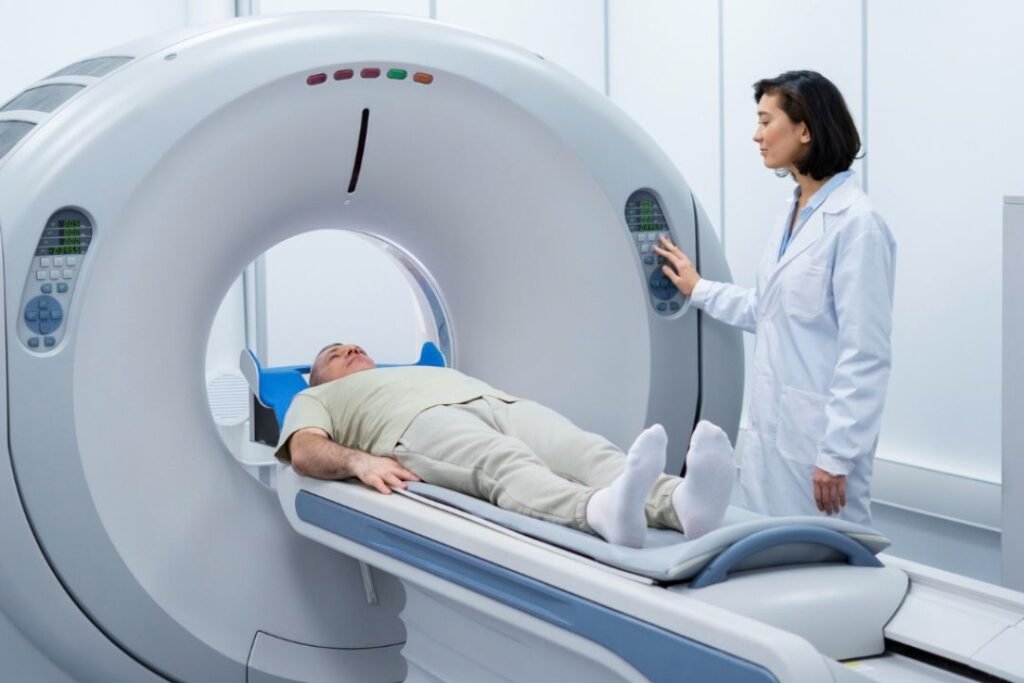
Scanxiety affects people at every stage of the cancer journey. Newly diagnosed patients may fear learning how advanced their disease is. Patients undergoing treatment may worry that therapy is not working. Survivors who are in remission often experience anxiety before routine follow-up scans because they fear recurrence. The emotional burden is a never ending roller coaster because the nature of cancer monitoring continues for years after treatment ends. Stop! the ride, I want to get off.
One reason scanxiety is so powerful is that cancer changes a person’s relationship with uncertainty. Before a diagnosis, many people assume their future is relatively predictable. Cancer disrupts that assumption. As HIV once did for me. So a part of me is “stuck” on a very unhelpful and self-defeating mantra that goes “oh shit here we go again.” Once someone has faced the possibility of serious illness or death, routine medical testing no longer feels routine. A scan becomes more than a medical procedure; it becomes a moment that may redefine the future.
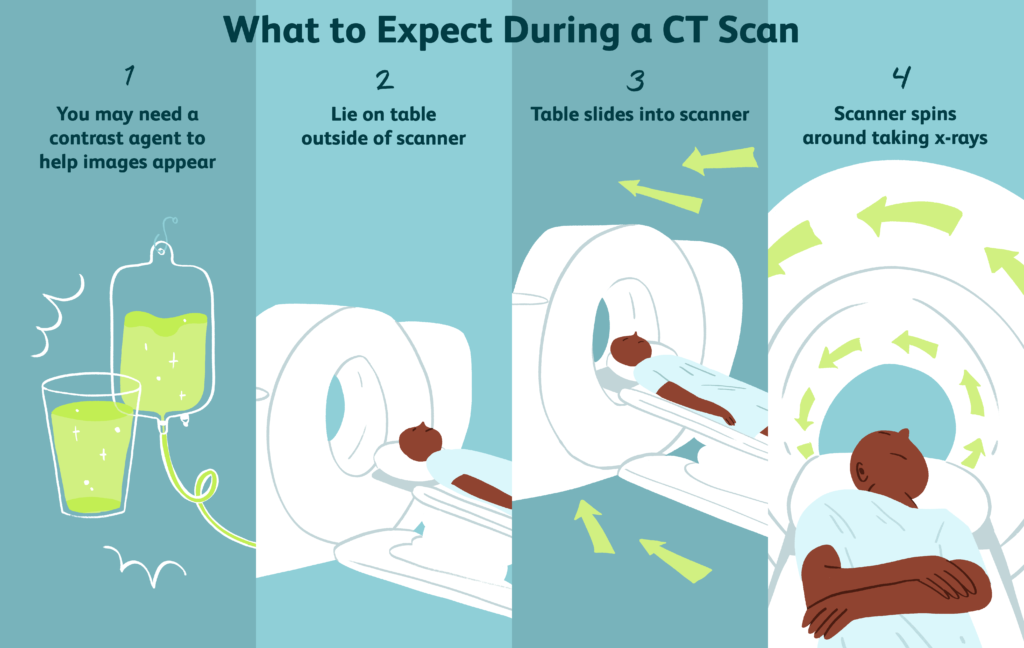
The emotional impact of scanxiety is influenced by previous experiences. Someone who once received devastating news after a scan may associate all future scans with trauma. For example, a patient who learned of cancer progression during a routine appointment may relive those emotions each time another scan approaches. Hospitals, waiting rooms, and imaging machines themselves can become triggers. This reaction is understandable because the brain naturally connects certain places and experiences with fear and survival.
There are several coping strategies to manage scanxiety, although no single approach works for everyone. One important strategy is seeking emotional support and avoiding the natural urge to isolate. Talking openly with trusted friends (as I am doing with you now, thoughtful readers), family members, therapists, or cancer support groups can assuage anxious feelings. As a longtime practitioner of meditation, I find the practice of mindfulness helpful because of its focus on the present moment instead of catastrophic future scenarios. Others prefer distraction through hobbies, such as I do with gardening, one of the few things I can accomplish while seated in my wheelchair. One must guard against obsessive thinking.
Another helpful approach is limiting exposure to stressful information online. While the Internet can provide valuable education and community support, excessive searching for symptoms or survival statistics often increases anxiety. Medical information found online may not apply to an individual’s specific situation, yet people naturally compare themselves to worst-case stories. Setting boundaries around Internet use before scans can protect emotional wellbeing.
à propos…
I’ve become obsessed with Barry Manilow, in this regard and contrary to the limiting online exposure advice, because he has the same kind of cancer as me, is not doing as well as he or anyone else hoped following treatment (surgery), and has cancelled all shows through June, including his Las Vegas residency. He was supposed to return to the stage this month.
It is important to recognize that scanxiety does not disappear simply because scans show good results. Because of the regimen of post-treatment cancer monitoring, many patients report feeling temporary relief followed by the gradual return of worry as the next appointment approaches. This cycle is built in to how cancer is addressed by doctors and can continue for years. Learning to live with uncertainty becomes an ongoing part of the process.
Despite all this, I have found my own scanxiety reveals the deep value I place on life, friendships, and future hopes. Fear often exists because people care profoundly about what might be lost. In my reading, many affected by cancer describe becoming more aware of the importance of emotional connection, meaningful experiences, and daily gratitude after confronting their disease. While scanxiety is painful, it is also a reflection of resilience and the human desire to keep moving forward despite uncertainty.
Ultimately, cancer scanxiety is not irrational, dramatic, or a sign of weakness – it is a significant emotional experience that deserves understanding and compassion. It is a deeply human response to living with the possibility of life-changing news.
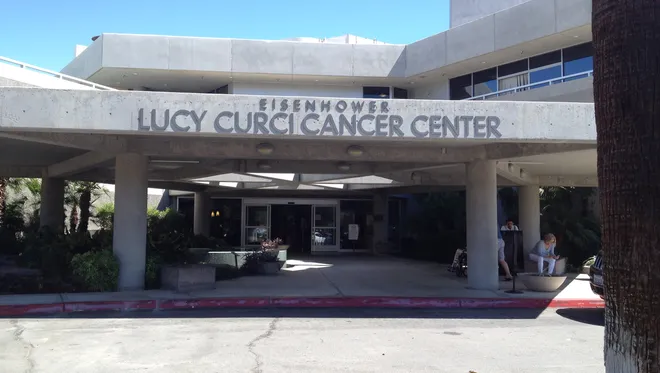
My scan is tomorrow at 10. My followup at the Lucy Curci Cancer Center in Rancho Mirage is in two weeks. My last scan revealed .7cm of tumor growth, so wish me luck.
