
When you’ve been to the top of the mountain, you realize how deep the valley is, how treacherous the ravines, how jagged the rocks. And you long for the mountaintop’s view, for the air up there, which just seems fresher, and for that sense of achievement that comes from finishing your climb. I grew up next to a mountain – the Verdugos, a mountain range – technically they are “foothills” – northeast of downtown Los Angeles. And I live next to a mountain today – San Jacinto, one of what is known as the “Three Saints” of Southern California, three ultra-prominent peaks of the southland’s mountains, each adjacent to the Los Angeles Basin and named after a Catholic saint: San Gorgonio (11,503 feet), San Antonio (10,064 feet), and of course San Jacinto (10,834 feet at its peak).
I have lived in what we Californian’s call the southland all of my life (except for brief stints on California’s central coast and in the Berkshires of Western Massachusetts), which means I have always been surrounded by mountains. I have, at different times of my life and for different reasons, traveled to the plains states of the Midwest, and one thing always struck me: the lack of mountains. Not just the flat terrain, but the absence of elevation. And I wondered: how do people get around, how do they orient themselves, how do they get perspective on where they are? I’m sure they make do, but it left me feeling untethered, adrift, and aimless. I need mountains.
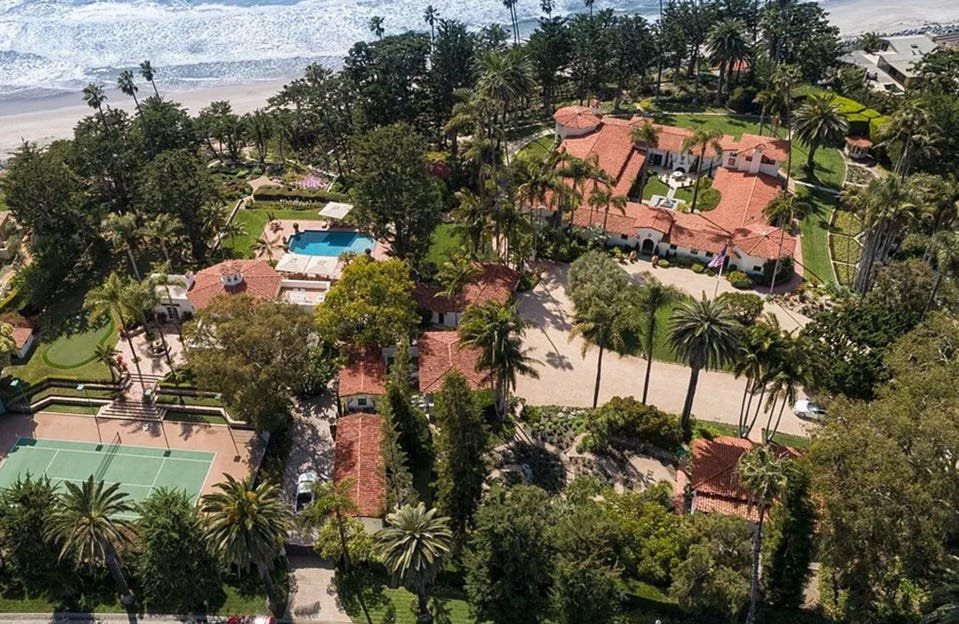
One of my strange interests (among many) is Richard Nixon. I don’t idolize him, see him as a hero, a mentor, or someone to look up to. I’m just fascinated by him. All the President’s Men is one of my all-time favorite movies. Oliver Stone’s Nixon starring Sir Anthony Hopkins in the title role is right up there too. My interest probably began in the early seventies when my family and I used to head south to San Diego for quick weekend getaways. On Interstate 5 (known as the “Golden State Freeway” that runs the entire length of California from Mexico to the Oregon border) we would drive past Casa Pacifica in San Clemente, Richard Nixon’s sprawling coastal estate, known at the time as The Western White House, which could be seen clearly from the highway; my father would point it out and with almost reverential solemnity say, “son, that is where the president lives.” We did everything short of stop the car and salute!
Nixon was a complex and in many respects admirable, albeit deeply flawed, person. Our heroes show us who we’d like to be; Nixon showed us who we are. Along the lines of that old aphorism “a broken clock is right twice a day,” and getting back to my theme about mountains, Richard Nixon used a memorable metaphor in his final speech as President of the United States on August 9, 1974:
Only if you have been in the deepest valley, can you ever know how magnificent it is to be on the highest mountain.
Richard Nixon, Farewell Speech – August 9, 1974
It is one of my favorite quotes ever, by anyone at any time – I think because it rings so true. And it acknowledges what we know about life: it has its ups and downs, its triumphs and tragedies, its successes and failures. And when your place on the mountain – valley or peak – is dictated by your health that day, you begin to take a geographic look at life: am I climbing, am I resting on a plateau, or can I enjoy the view from the summit today?
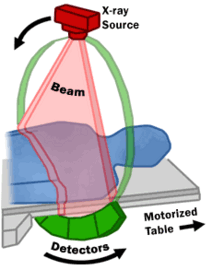
My health recently took a setback, or rather my understanding of where I am on the mountain did. When you complete radiation treatment for cancer, you enter a phase oncologists call “scan and monitor.” Every six months, you have a CAT (computed axial tomography) scan (see left), which produces a picture of a cancerous tumor inside the body. March was six months since I completed radiation at the Lucy Curci Cancer Center in Rancho Mirage, so I returned for my CAT scan. I did a joke – “how do you train the cats?” – and the nurse smiled a smile that told me she’d heard that one, or a variation on it, before.
A week or so after your scan, you see the oncologist who “interprets” it. He (or she, mine’s a he – Dr. Ahmad) has the expertise and the training to know what they are looking at, and the courtesy to at least laugh at your cat joke (I modified it for him, saying, “I don’t see any cats, so that’s good, right?”). I like Dr. Ahmad. He is circumspect and to the point; he doesn’t go in for all the glad handing and banter, but he is friendly – I get the impression he’s had lots of hard conversations with patients.
“Your scan shows that your tumor grew by .7cm.”
“Is that bad?”
“Well, it’s not good.”
Still, he seemed to think that given the nature of the treatment I underwent it was not cause to sound the alarm just yet. He explained that had I opted for surgery, they go in and just cut the tumor out – done. But with radiation, the radioactive beams initiate cell death – so it’s a process that can take months as the cancerous cells die off (resulting in a reduction of tumor size). But radiation also initiates cell death in the healthy cells surrounding the tumor – and he explained that what he may be seeing on the scan is akin to a debris field – adjacent cells dying – creating the impression of a larger affected area than just the cancerous tumor.
“So what comes next Doctor?”
He said he needs another CAT scan that pinpoints the tumor itself so he can assess it, and I said, “ah, I see… you need more accurate cats.” He flashed me a bemused look. I get that reaction to things I say or do a lot from people.
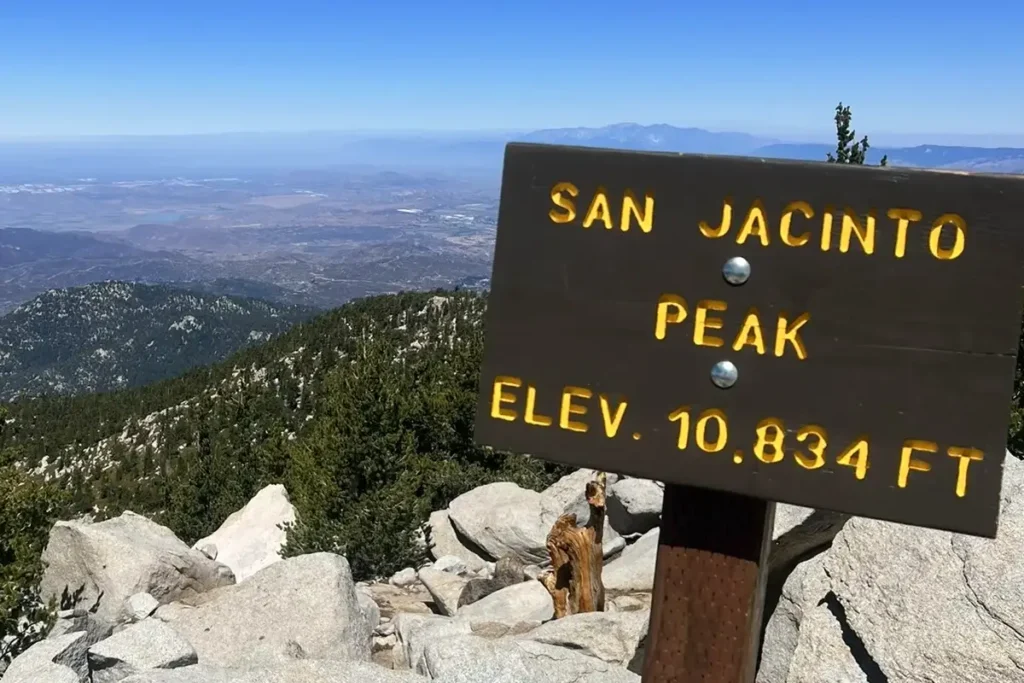
So I’m at a clearing in the trail, a plateau on the mountain. I’m not yet enjoying the sublime view at the summit, which will only be reached when someone tells me I’m “cancer free,” but neither am I in the depths of the valley. After conferring with my pulmonologist, they agreed – the sky is not falling… yet. They need more information.
By the way, I hate cats.
