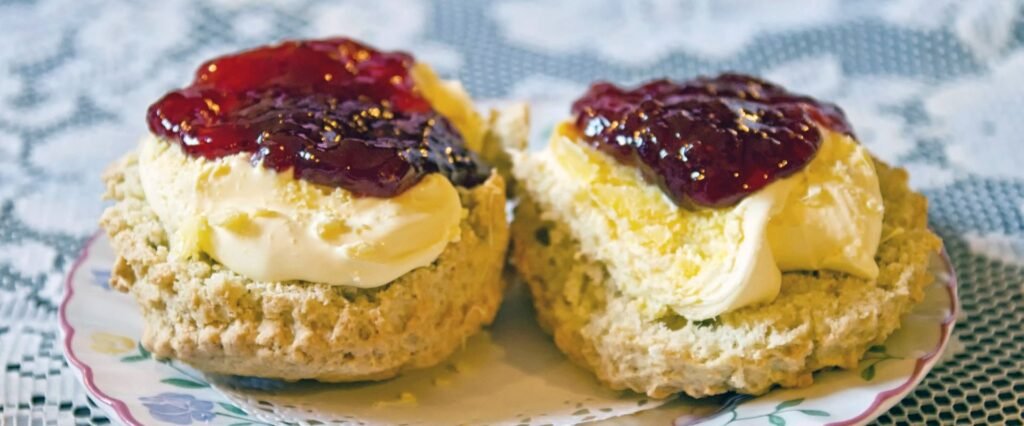
It’s time to answer one of those questions you didn’t know you had. There are things we all say or do because we always have. Call it growing up. Call it socialization. Call it inculturation. Some of them are practical: don’t put baked beans on a paper plate at a picnic or you’ll soon be wearing them. The corollary: double plate, or buy more durable paper plates, like those ones covered with a plastic-like coating. Sometimes it’s etiquette: don’t put your elbows on the table, chew with your mouth closed, always pass the Port to the left. Sometimes it’s tradition: when it comes to scones, spread clotted cream on the scone first, followed by a layer of jam – this is known as the Devon method; only a barbarian would spread the jam first with a layer of clotted cream atop it – the Cornish method.
When it comes to language, the field is wide open. Because we are a multicultural society in America, the word we use for common things can vary widely. Take your mother’s mother. You might call her Nonna if you come from an Italian family, Bubbe if your heritage is Jewish, or just plain Grandma (informal for Grandmother) if your background is less exotic (like in my English/Czech family). With the rise of Hip Hop culture in the 90s, facilitated by MTV, we got many new names for things, like your car being your “ride” and your home being your “crib.” A lot of that would fall under the category of slang.
Which made me wonder. There is one word we all use in America, from presidents to panhandlers on the street begging for a handout, that never made sense to me. If we’re paying the man in the booth for parking, and I ask you if you’ve got any cash on you, you’ll probably tell me you’ve got a couple of bucks. “Nice sofa, how much did you pay for that?” “It was on sale – only three hundred bucks.” General admission tickets for Coachella 2026 this weekend down the road in Indio start at 549 bucks!
What’s a buck, and when did it start to mean dollar?
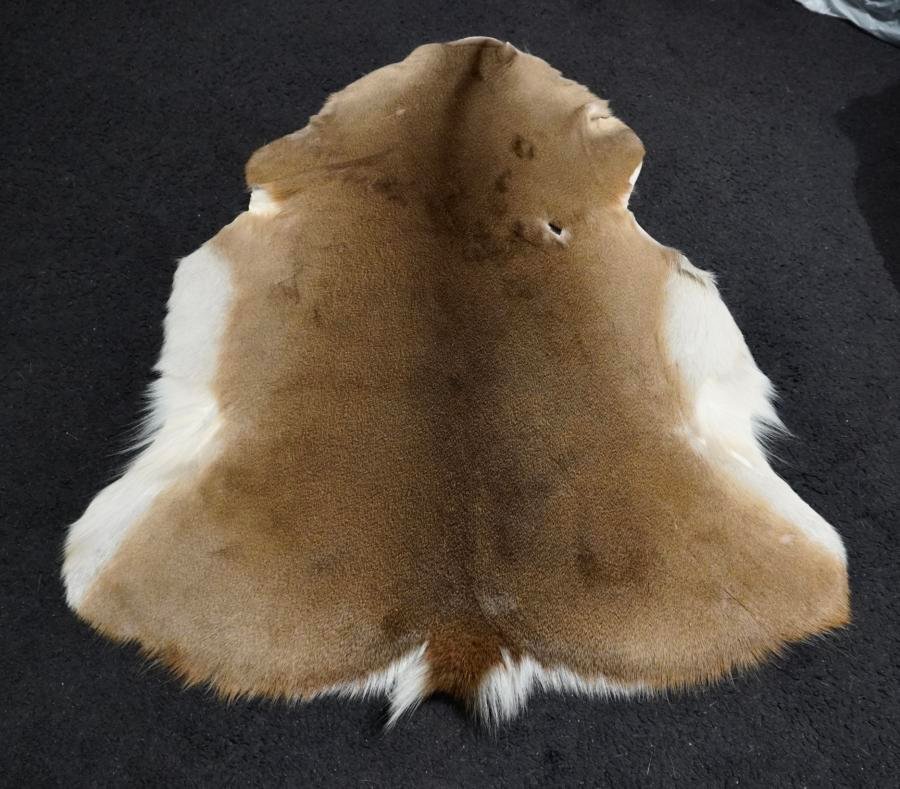
The most widely accepted explanation is that it comes from deerskins, specifically buckskins. In the 1700s and early 1800s, especially in rural and frontier areas, people often traded goods instead of using coins. Deer hides were valuable and commonly used as a kind of informal currency. So if something cost “5 bucks,” it literally meant five buckskins.
Over time, as the US economy shifted to paper money and coins, the word stuck around – even though we don’t actually trade animal skins anymore. Can you imagine what your wallet or purse would look like if we did? So when you say “20 bucks,” you’re basically using a centuries-old leftover from the barter system.
I grew up with Bugs Bunny and Looney Tunes, and they had their own word for money: simoleons. But when I was researching this piece I was surprised to find that term predates Bugs! It showed up in American slang in the late 1800s. No one’s 100% sure of the origin, but it’s suggested that it comes from “simon,” which was once slang for a dollar, plus a playful ending like -eon to make it sound fancier.

Now there is a theory, but it’s pretty far-fetched. The idea is that “simoleon” comes from coins associated with Napoleon Bonaparte – sometimes people claim it’s tied to French currency from his era, or that American soldiers picked up the term overseas and brought it back. Because slang terms like “simon,” “sam,” or “sawbucks” were already used for money in America, the idea is the “-eon” or “-oleon” was a reference to Napoleon, but there’s no solid historical evidence linking “simoleon” to Napoleon or French money; linguists and etymologists generally don’t find documentation that supports that connection. A far more realistic explanation is an ending like -eon was added to make existing slang sound bigger, so that by the early 1900s, “simoleons” just meant money in a humorous or exaggerated way – kindof like saying “big bucks.”
Bugs Bunny (and other cartoon characters in Looney Tunes) helped popularize the word for modern audiences. He’d throw it around in that sarcastic, street-smart way of his we all know and love – “a few simoleons,” “big simoleons” – which made it stick in pop culture, even though it was already around.
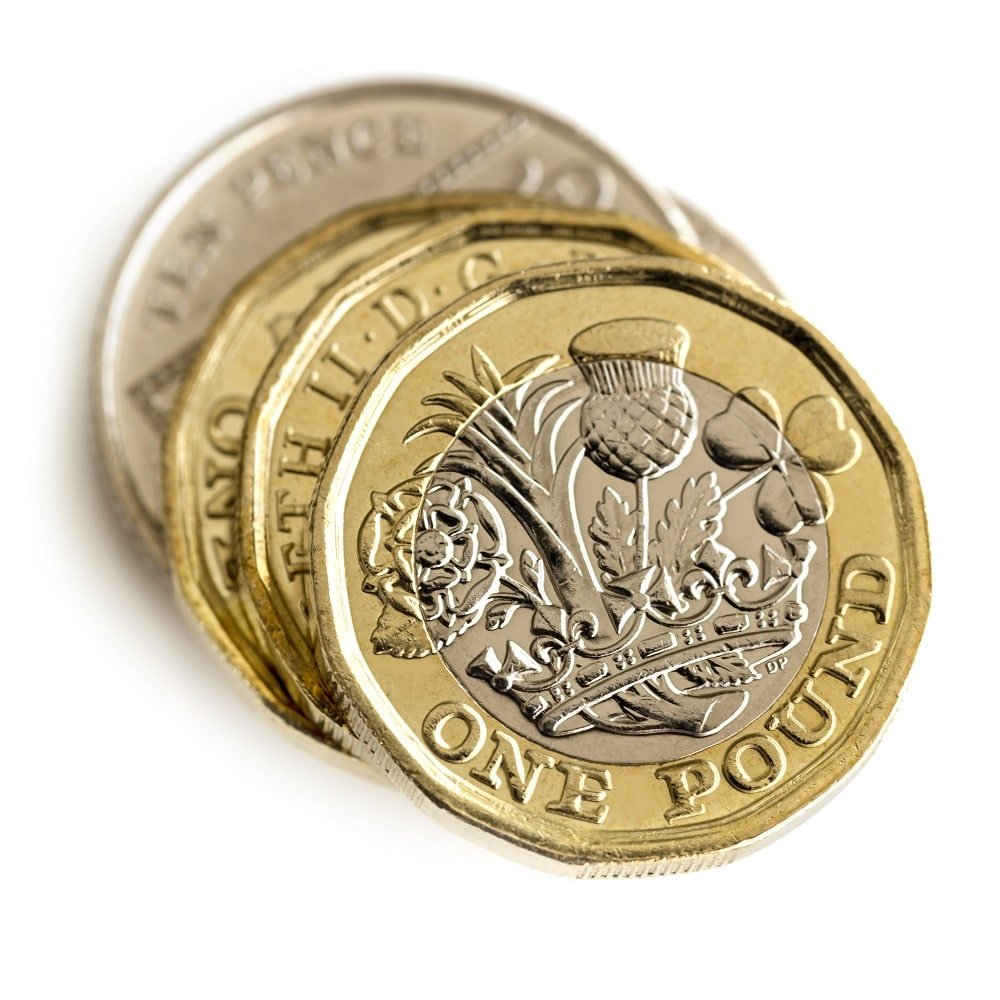
I watch a lot of British TV. The dramas seem more believable, the comedy is funnier, at least to me. And their equivalent of “bucks” for dollars is “quid” for pounds. Unlike in America, the origin of the term quid for money is less settled than our trading deerskins in days gone by.
The most popular explanation, and most intellectually pleasing, is that it comes from the Latin phrase quid pro quo, meaning “something for something” or “this for that.” Over time, quid (referring to “something”) became shorthand for a unit of value – i.e., money or something in trade. So in that sense, it is very much like in American English where the term derives from earlier bartering. There is a theory that quid came from a place where coins were made (like Quidhampton in Wiltshire), though there is not strong evidence for this and it seems a bit too neat and tidy.
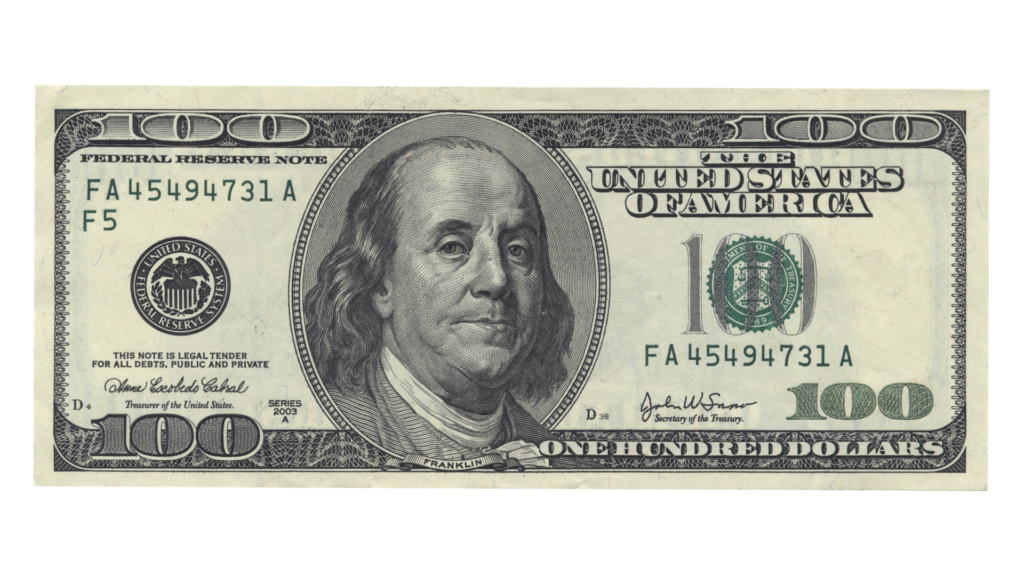
Well there you have it. I am about 100 words shy of my target for a post, so I suppose I could pad this out with some other slang for money, like “Benjamins” (an obvious one in the US) or cheddar, which is like “bread” or “dough” but sharper. Get it? See what I did there? But I think I’ll just wrap up. It’s a beautiful day, and I plan to get outside and enjoy it, not spend all day cooped up inside writing for you good people. As it is, April is the last month in the desert when going outside doesn’t make you question every life choice you ever made, so I should enjoy while the enjoying is enjoyable.
