
I like music. Everything except country. And the really hardcore rap about da bitches and da hos. I have an extensive iTunes library with 557 songs in it, and I love putting it on “shuffle” where one minute I’m listening to Earth Wind & Fire’s “September” and it segues into “Smells Like Teen Spirit” from Nirvana. What never ceases to amaze me is my response to the songs: it’s visceral; I’ll hear a song and I am back when it came out and dominated the airwaves. It’s more than memory – it’s transportation.
Growing up in LA in the 70s, we had “smog alerts.” The air was so bad there was a rating system! A Stage Four Smog Alert was like a “snow day” in other parts of the country, but instead of a day off from school it just meant indoor recess. It was during an indoor recess that the infamous “blowing kisses at Michael Maddox” incident occurred in Mrs. Hoffman’s 6th Grade classroom – I was sent to the principal’s office, my parents were called, and it was the first indication I was not like other boys.
Maybe it’s the result of turning 60 and feeling the weight of that age, but I have had a yearning for those days lately, and have found music takes me there. I like nothing better than firing up iTunes, reclining in my chair, and feeling the era each song came out. My music library skews heavily toward 80s new wave, but I’ve added a lot of 70s pop to it lately. As a lifelong fan of the prog rock of the pre-punk 70s, I had a lot of Yes and Genesis. I’ve been adding – $1.29 at a time – one-offs I remember from the clock-radio that sat on the nightstand next to my bed. Do you remember The Bay City Rollers or Leif Garrett? How about “Disco Duck” by Rick Dees?
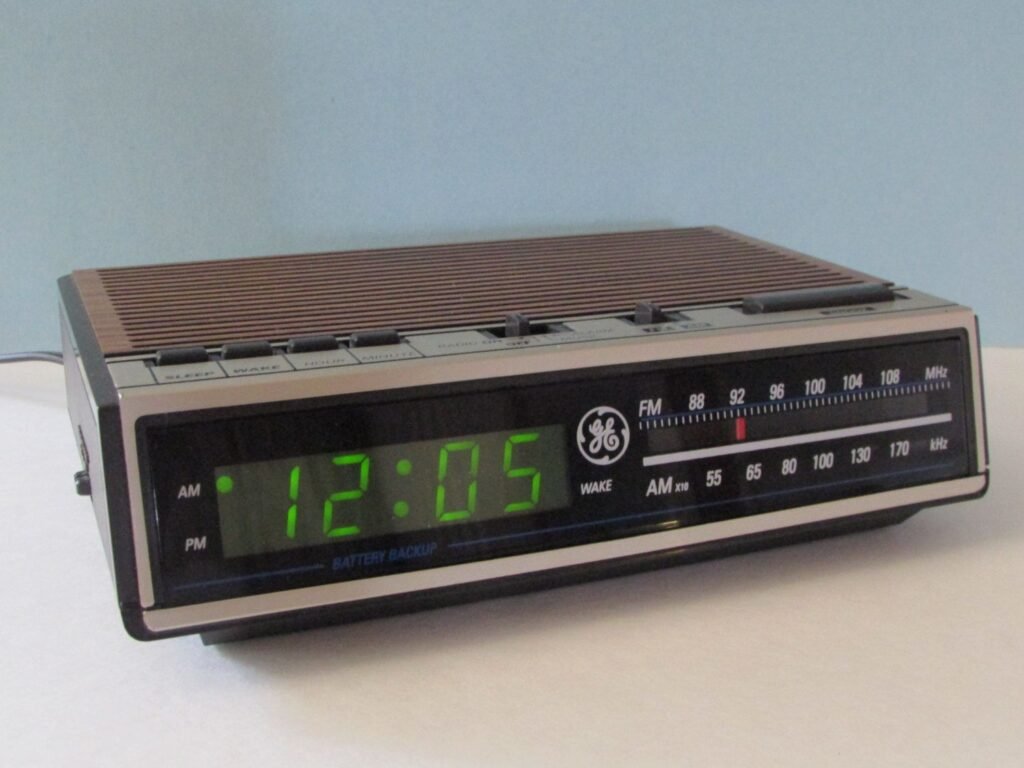
And remember how you had to wait around for your song to come on? You couldn’t just select it from a menu on demand and have it play instantly from the iPhone in your hand that is connected via Bluetooth to your Alexa speaker! Putting iTunes on “shuffle” is like that – you never know what you’re gonna get next; sometimes the juxtapositions are startling! But since I initially selected all the songs in my library it is always a pleasant experience, although the transition from Neil Diamond’s “Forever in Blue Jeans” to Chappell Roan’s “Good Luck, Babe!” can be harsh.
Getting back to the 70s, figuratively and literally in this post, is triggering one of the most powerful and complicated human emotions: nostalgia – often described as a longing for the past, a sentimental affection for moments, places, people, or experiences that are gone. At first glance, nostalgia seems simple: remembering “the good old days.” But psychologically, emotionally, and culturally, nostalgia is much deeper. It is not merely memory; it is memory shaped by emotion, filtered through time, and often polished by longing. Nostalgia tells us as much about the present as it does about the past, because what we miss often reveals what we feel is absent now.
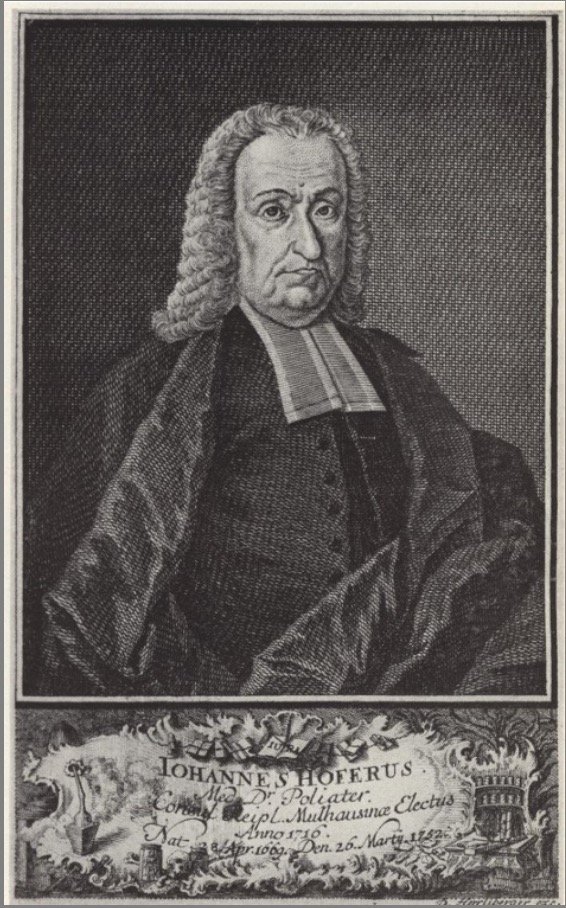
The word itself has an interesting history. It was coined in the 17th century by Swiss physician Johannes Hofer (depicted at left – what a looker!), combining the Greek words nostos (“return home”) and algos (“pain”).
Originally, nostalgia was considered a medical condition, almost like homesickness. Soldiers and travelers far from home were thought to suffer from it physically, experiencing sadness, anxiety, and even illness.
Over time, the concept evolved from a literal longing for home into a broader longing for the past.
Today, nostalgia is understood less as sickness and more as an emotional state. It can be triggered by almost anything: a song, a smell, an old photograph, a childhood toy, or even a familiar phrase. Music is one of the strongest triggers because it links memory and emotion so directly. Hearing a song from childhood can instantly transport a person back to a specific place or feeling. Quod erat demonstrandum.
What makes nostalgia so fascinating is that memory is rarely accurate. Human beings do not remember the past like a recording; they reconstruct it. This means nostalgia often edits reality. Difficulties fade, pleasures become brighter, and complexity is simplified. Childhood is a good example. Many adults look back on childhood as carefree and magical, forgetting boredom, confusion, or fear. Nostalgia smooths rough edges. It transforms the past into a version that feels emotionally coherent.
But nostalgia is not always harmless. It can distort reality and create resistance to change. Social and political nostalgia often idealizes historical periods while ignoring their injustices. Phrases like “back when things were better” can erase the experiences of people for whom those times were not better at all. Cultural nostalgia can simplify history into comforting myths. The MAGA movement is a good example of this.
Perhaps nostalgia is fundamentally about time itself. Human beings are uniquely aware of time passing. We know moments disappear as we live them. Nostalgia is one way of resisting that disappearance. It allows us to revisit fragments of life, even imperfectly. In this sense, nostalgia is a rebellion against impermanence.
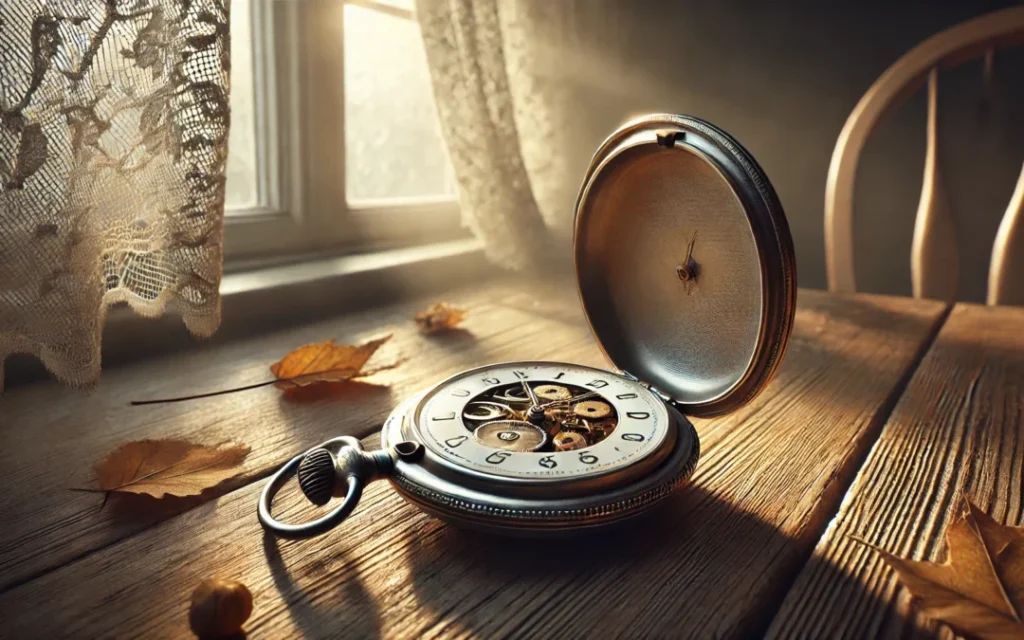
Yet nostalgia also teaches acceptance. By revisiting the past, we are reminded that change is unavoidable. People grow older, places transform, relationships end. The ache of nostalgia is partly the recognition that life moves forward no matter how much we wish to pause it.
In the end, nostalgia is neither good nor bad. It is a deeply human response to the passage of time. It comforts, wounds, inspires, and deceives. It helps us remember who we were and, by contrast, understand who we are now.
Perhaps that is why nostalgia remains so universal: everyone has a past, and everyone carries pieces of it forward. To feel nostalgia is to feel the weight of memory and the beauty of having lived through moments worth missing. But Disco Duck? Really? C’mon… what were we thinking?
