
A little over a year ago, I was referred to a nephrologist. If you don’t know what that is, you’re not alone – neither did I; when I first got the referral, I assumed a nephrologist was a historian that specialized in ancient Egypt, specifically on Nefertiti, queen of the 18th Dynasty of Ancient Egypt and wife of Pharaoh Akhenaten, notable because, it is thought, together they promoted an exclusivist and possibly even the world’s first monotheistic religion, Atenism, centered on the sun disc and its direct connection to the royal household. Fascinating stuff if you’re a student of religion like I am, but I failed to see how this might relate to my health.

No, a nephrologist has nothing to do with Nefertiti, or Egypt, or the sun disc. A nephrologist is a medical doctor who specializes in the kidneys. My primary care physician saw some numbers related to my kidney function on my routine (every three months) lab tests that made him unhappy, so he referred me to the nephrologist, and the first thing she said was that I was not drinking enough water. I live in the desert, and we all know about staying hydrated in the summer months when it’s 110 out. But I hadn’t given it much thought the rest of the year, and apparently I was mildly dehydrated.
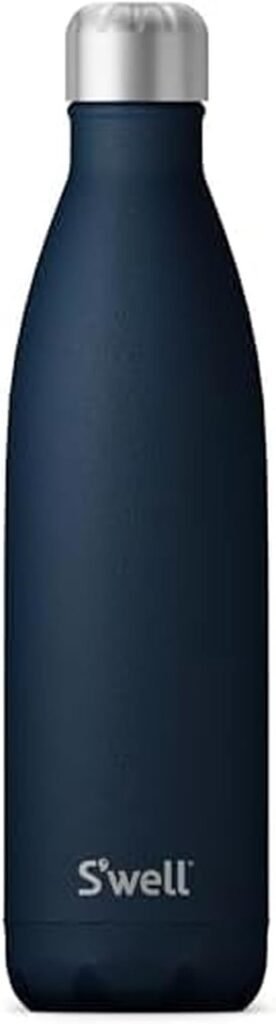
So last April, I bought myself a really cool water bottle. It’s called a S’well, and they come in lots of different colors, designs, and textures – if you have to hydrate, there’s no reason not to do it in style! My bottle (at left) holds 25 ounces of liquid, is stainless steel on the inside, and is what they call “Azurite” (really just a dark blue) on the outside. I keep it on the table next to my recliner, where I spend most of my day, or pop it in my man bag (my “murse”) if I’m going to be out and about for an extended period of time. When it is empty, I take it with me to the dining room where staff refill it with filtered water from the kitchen. That’s all – I didn’t give it, or ancient Egyptian queens, a second thought.
Until about a week ago.
I took a swig and I noticed a rather unpleasant taste. I looked inside – all clear, nothing but water, but my nose detected a mildly foul odor. My first hunch was to conclude I’d gotten a bad batch of water; I asked a caregiver to dump it out and fill it with fresh water. But even after that, it still tasted funny and did not pass the sniff test. The caregiver asked me if I’d rinsed it out. “What? Like with water?” I said, a bit incredulously; I mean, in my defense, the bottle had only ever held water, so rinsing it out (which would undoubtedly be done with water) would essentially be just filling it and emptying it, which essentially describes how I use it! Time to turn to our old friend the Internet for answers.
Oh boy! Lots of articles describing reusable bottles as convenient, hand-held Petri dishes that can harbor bacteria, mold, and unpleasant odors affecting both taste and health. Moreover, even if your bottle only holds water, it doesn’t stay clean on its own. Every sip introduces bacteria from your mouth into the bottle. Over time, moisture, warmth, and leftover residue create the perfect environment for microbial growth. Studies have shown that reusable bottles can contain more bacteria than expected when not cleaned regularly. Dirty water bottles may cause bad smells, strange tastes, or even minor illnesses.
Yuck. So how often should you clean a water bottle? The answer depends on how you use it and what you put in it, but generally:
- Daily – for bottles used every day
- After every use – for bottles that hold flavored drinks, sports drinks, or protein shakes
- Weekly – deep cleaning to remove buildup and odors
And the consensus is that even water-only bottles should be washed daily, especially if they’re exposed to heat, used at the gym, or carried in bags. Okay, so I have nothing but my own ignorance to blame for my convenient, hand-held container of icky. What to do about it?
Well, and this seems obvious, now, but the best way to clean a reusable water bottle is with warm water and dish soap:
1. Empty the bottle completely
2. Add warm water and a few drops of dish soap
3. Scrub the inside using a bottle brush
4. Wash the lid, cap, and any removable parts separately
5. Rinse thoroughly to remove soap residue
For deeper cleaning, there are a couple of options:
Vinegar – white vinegar is a natural disinfectant that helps remove bacteria and odors. This method works especially well for smelly or cloudy bottles: fill the bottle halfway with white vinegar, add warm water, let it soak for several hours or overnight, and finally, rinse thoroughly before use.
Baking Soda – excellent for removing stubborn odors and stains: add 1–2 teaspoons of baking soda to warm water, shake well and let sit for a few hours, scrub if needed and rinse thoroughly.
But don’t forget your bottle’s lid, rubber seals, or any straws you might use. These are the most common places for mold to grow. You should:
- Disassemble lids whenever possible
- Use a straw brush for narrow openings
- Remove rubber gaskets and wash them separately
- Allow all parts to dry completely before reassembling
Ignoring these small parts can lead to hidden mold buildup even if the bottle otherwise looks clean. And, it seems obvious to me now, but I learned that drying is just as important as washing because moisture trapped inside a bottle encourages bacteria and mold growth. To prevent this, it is recommended that you air-dry bottles upside down, leave lids off until fully dry, and store your bottle in a clean, dry place when not in use. Oh… and the experts say never close a bottle while it’s still damp.

If you use a reusable water bottle, cleaning it properly is just as important as filling it. Regular water bottle cleaning is one of those small habits you can get into that have big benefits – clean bottles taste better, last longer, and help protect your health. By washing your bottle daily, deep cleaning weekly, and allowing it to dry completely, you can enjoy safe and fresh hydration every day.
Class dismissed.
