
Language shapes perception. The words we choose do more than describe reality – they construct it. When speaking about disabled people, language can either reinforce stigma and exclusion or foster dignity, accuracy, and respect. Sensitivity in language usage is not about policing speech for its own sake; it is not an unthinking, cynical, and rote “political correctness.” Rather, it is about recognizing that words carry histories, assumptions, and power. To speak thoughtfully about disability is to acknowledge disabled people as full participants in society rather than as metaphors, burdens, or objects of pity.
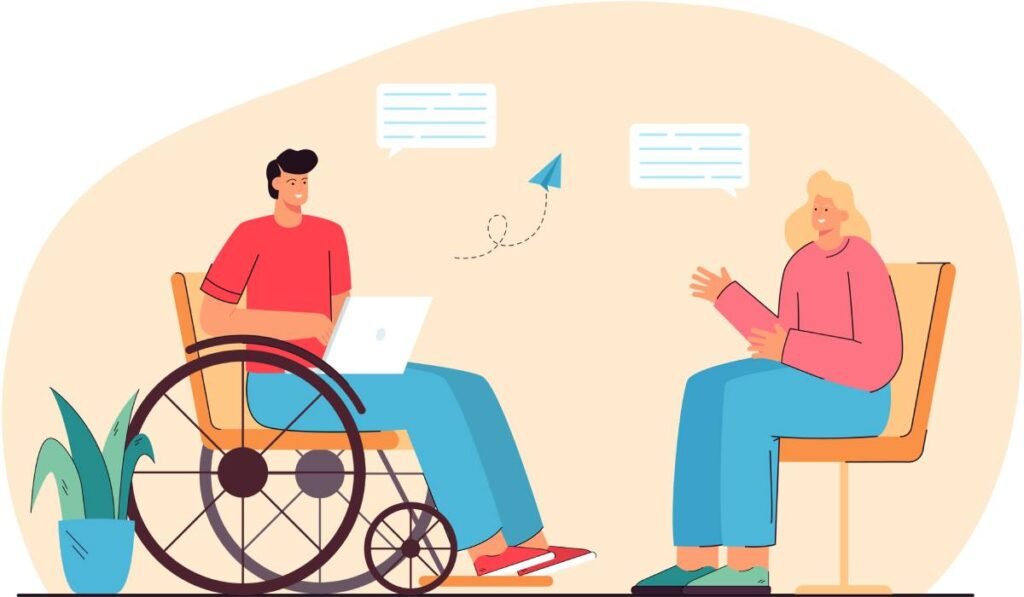
Historically, disability has been framed solely through a medical lens, and this is known as the medical model of disability; it treats disability primarily as a defect or deficiency located within an individual body or mind. Language shaped by this model tends to emphasize limitation and abnormality: terms like “suffers from,” “afflicted with,” or “confined to a wheelchair” imply tragedy and passivity. While some individuals may experience suffering related to their condition, it is inaccurate and reductive to assume that suffering defines their lives. A wheelchair, for example, is not a prison but a tool of mobility – to say someone is “confined” to one obscures the freedom it provides.
In contrast, the social model of disability shifts attention from individual impairment to societal barriers. Under this framework, people are disabled not solely by their bodies or minds, but by inaccessible environments, discriminatory policies, and prejudiced attitudes. Language influenced by the social model tends to be more neutral and contextual: “wheelchair user” instead of “wheelchair-bound,” “disabled person” or “person with a disability” rather than outdated or derogatory labels. This shift in phrasing reflects a deeper shift in values – away from blame and toward structural awareness.
An ongoing conversation in disability communities concerns person-first versus identity-first language. Person-first language – such as “person with a disability” – emphasizes the individual before the condition. It emerged as a corrective to dehumanizing labels, insisting that disability is only one aspect of a person’s identity. On the other hand, identity-first language – such as “disabled person” or “Autistic person” – is preferred by many who see disability as an integral, even positive, part of who they are. Neither approach is universally correct. Sensitivity requires listening to how individuals and communities describe themselves and honoring those preferences. When in doubt, ask.
Another dimension of sensitive language involves avoiding euphemisms that unintentionally patronize. Many of these phrases were developed with the best of intentions but are now anachronistic. Terms like “differently abled” or “special needs” were intended to soften perceived harshness, but today are minimizing and infantilizing; implied within them is a discomfort with the word “disabled,” as though disability itself were shameful. In contrast, clear, direct language, used without negativity, can be more respectful than indirect phrasing that avoids or obfuscates reality.
Metaphorical uses of disability-related terms are problematic because they subtly reinforce associations between disability and deficiency. Phrases such as “blind to the facts,” “falling on deaf ears,” or “lame excuse” draw on disability as shorthand for ignorance, stubbornness, or inadequacy. Over time, repeated metaphors shape cultural attitudes. Choosing alternative expressions such as “unaware,” “ignored,” or “weak” removes the unintended implication that disability is synonymous with something bad or undesirable.
In the media, news stories may frame disabled individuals as tragic victims.
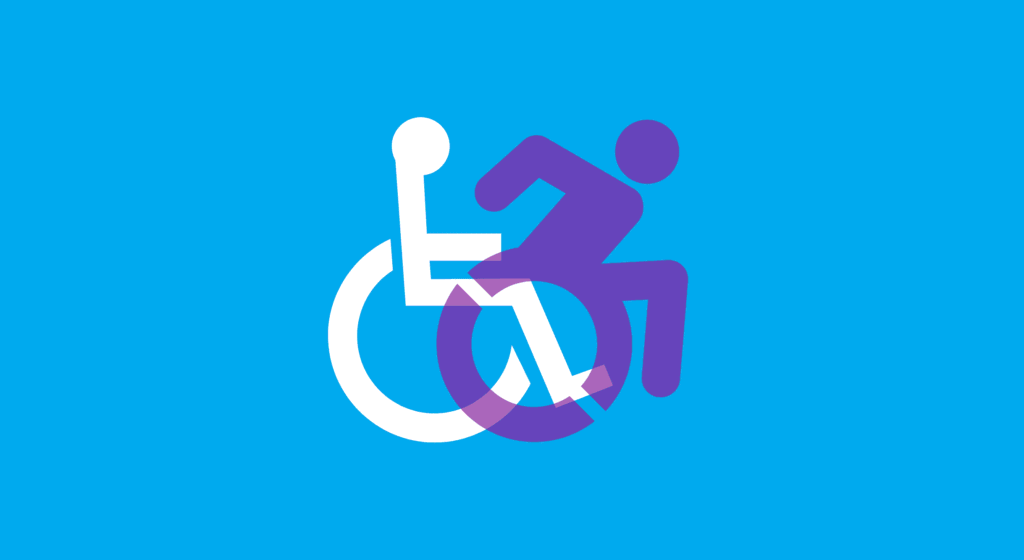
Worse, they might be portrayed as inspirational heroes who have “overcome” their conditions – this “inspiration porn” reduces complex lives to motivational clichés for non-disabled audiences.
While achievements, particularly in the face of adversity, certainly deserve recognition, framing them primarily as surprising because of disability is not only patronizing but exploitative. Balanced storytelling focuses on context, agency, and systemic barriers without sensationalism.
An important aspect of disability advocacy is recognizing its inherent intersectionality. Disabled people are not a monolith; they belong to every race, nationality, gender, sexuality, class, and religion.
Language should reflect this diversity and avoid assuming a singular experience. For example, access to healthcare, education, and employment varies widely depending on socioeconomic status and geography. Describing disability without including these intersecting factors can oversimplify the lived reality of disabled people.
Importantly, the understanding of disability and the use of sensitive language about and around it is not a static endeavor. Terminology evolves as communities redefine themselves and challenge stigma, or as individuals with disabilities become more aware of themselves and their place in the world – this is certainly true for me. I once accepted and even used words I considered clinical or neutral but now see as outdated or offensive. Staying informed requires humility and a willingness to adapt.
Institutions, schools, and workplaces play a key role in modeling inclusive language. Style guides and accessibility policies can introduce and normalize respectful terminology. At this point, I planned to link to one such example this morning, the United Nations Disability Inclusive Language Guidelines, but when I went to look up its address on the Internet I was pleased to find lots of examples. If you’re interested in finding out more, type this into your favorite search engine:
people with disability language guide.
As important as they are, such guidelines should not replace listening to disabled people themselves. Advocacy groups, scholars, and activists have long articulated preferred language and broader goals for equity, but including disabled people in the conversation ensures that policies reflect our lived experiences rather than just the assumptions of well-meaning but ultimately unaffected parties.
At the end of the day, sensitivity in language is rooted in empathy and recognition of the humanity we all share. Disability is a natural part of human variation, and it’s important to remember that at some point in life, many people will experience temporary or permanent impairment from illness, injury, or just age.
Framing disability as an ordinary aspect of diversity rather than an aberration fosters inclusion. Words can open doors or close them. They can affirm dignity or undermine it. Choosing language carefully is a practical step toward social justice. It signals that disabled people are seen not as problems to be fixed, but as individuals with rights, talents, and perspectives. By listening, learning, and adjusting our speech, we contribute to a culture where respect is embedded not only in policy but in everyday conversation.
