
Life and culture are full of milestones by which we measure progress, and nowhere is this more obvious than the LGBTQ+ community. I was 3 years-old when the Stonewall Riots kicked off the modern push for gay rights and I have had a front row seat for many of the “firsts” in that movement. I live in the first senior and assisted living community for LGBTQ+ people in the state of California, if not the country: Stonewall Gardens Assisted Living, in Palm Springs, the very first municipality in the United States with a city council comprised entirely of elected members who identify as LGBTQ+.

I worked for the studio providing postproduction at the time for the sitcom with the first openly gay lead character on primetime television: Ellen – “The Puppy Episode,” and my career in the television and film industry gave me an interest in uncovering other firsts, like:
- the first explicitly pro-gay film, a silent black and white movie made during the interregnum between world wars I & II: Different from the Others (1919)
- earliest Hollywood film to directly address lesbianism, bringing LGBTQ+ themes into mainstream American cinema: The Children’s Hour (1961)
- the first openly gay character on American network television: Archie Bunker’s friend on All in the Family (1971)
- and, of course, Will & Grace debuted in 1998, a year after Ellen’s coming out episode, marking the first hit primetime TV show centered on LGBTQ+ characters
But this morning I would like to focus on music, namely the first mainstream pop song to tell a sympathetic story about a gay character, an unusual subject for a charting rock superstar in 1976 that humanized LGBTQ+ experiences in popular music while addressing all-too-common violence against gay people:
“The Killing of Georgie” by Rod Stewart.
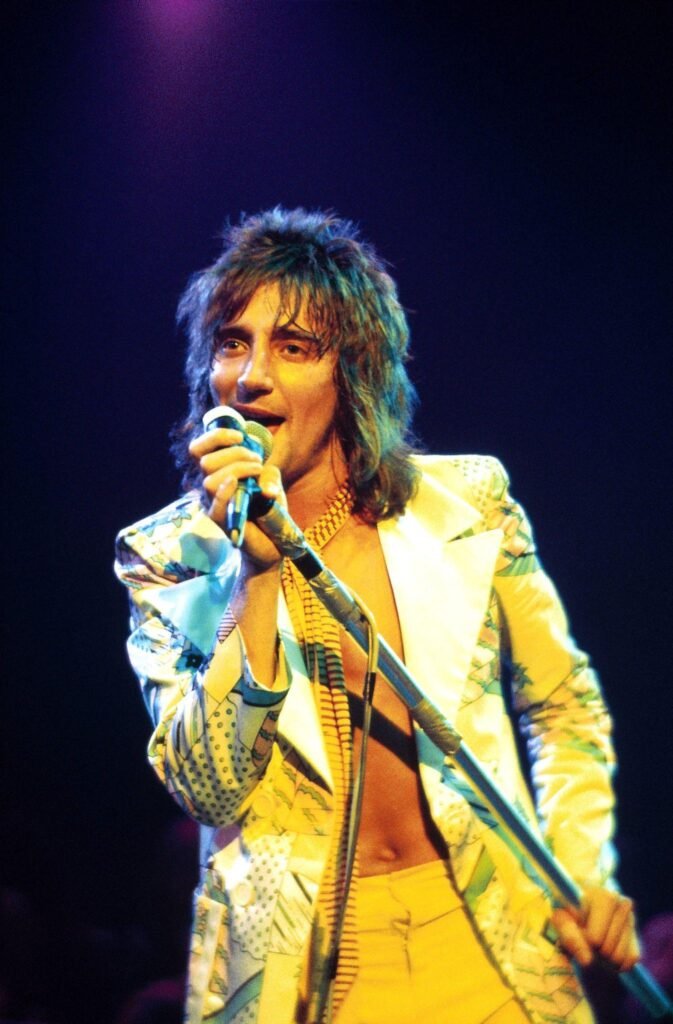
Released in 1976 on the album A Night on the Town, “The Killing of Georgie (Part I and II)” stands as one of Rod Stewart’s most powerful and socially conscious songs. The track tells a narrative story about identity, rejection, friendship, and violence. Through the life and tragic death of its central character, the song addresses themes of homosexuality and prejudice at a time when such topics were rarely explored openly in mainstream music. As a result, the song remains an important example of early LGBTQ+ representation in popular culture.
“The Killing of Georgie” unfolds like a short story set to music. The song introduces Georgie as a gentle and kind young man growing up in a traditional family. Although he is portrayed as warm and well-liked, his sexuality eventually causes tension at home. When Georgie’s father discovers that he is gay, he reacts with anger and rejection. Unable to accept his son’s identity, the father forces Georgie to leave home. This moment marks the first major turning point in the narrative, highlighting the painful consequences of intolerance within families.
After leaving home, Georgie travels to New York City, where he begins to build a new life. In contrast to the hostility he experienced at home, the city offers him a sense of belonging and freedom. The lyrics describe Georgie as thriving in the vibrant nightlife scene, surrounded by friends and admirers who appreciate his personality and spirit. The tone of this portion of the song is celebratory and affectionate, suggesting that Georgie has finally found a community where he can live openly and authentically.
However, the story takes a tragic turn near the end of the song. One night, while walking home, Georgie is attacked by a gang in a dark alley and killed. Although the song does not explicitly label the crime in modern terms (a hate crime), the circumstances strongly imply that Georgie is targeted because of his homosexuality. The sudden shift from joyful scenes of friendship to violence underscores the vulnerability faced by marginalized communities. Rod Stewart’s storytelling emphasizes the senselessness of the attack and the loss of a vibrant life.
The final section of the song reflects on Georgie’s memory. Rather than focusing only on the tragedy, the narrator remembers Georgie for his warmth, charisma, and the joy he brought to those around him. This closing tone suggests that while Georgie’s life was cut short, his spirit continues through the people who loved him and the memories they carry.
At the time of its release, “The Killing of Georgie” was notable for addressing LGBTQ+ themes in a sympathetic and humanizing way. During the mid-1970s, open discussions of homosexuality in mainstream rock music were rare, and many artists avoided the topic altogether. By telling Georgie’s story with empathy and respect, Rod Stewart helped bring attention to issues of prejudice and violence that many listeners might not have previously considered. The song therefore stands not only as a moving narrative but also as an example of how popular music can reflect social realities and encourage greater understanding.
Musically, the track is divided into two parts. The first part carries the narrative, while the second functions as a brief reprise that shifts the tone slightly and brings the song to its conclusion. Part II also features a melody reminiscent of “Don’t Let the Sun Catch You Crying,” a similarity that later prompted discussion among listeners and critics. Despite this minor controversy, the emotional weight of the song’s story remains its defining feature.
“The Killing of Georgie” remains one of Rod Stewart’s most memorable and meaningful works. Through its storytelling, the song highlights the challenges faced by those who are rejected for who they are, while also celebrating the importance of friendship, community, and acceptance. And so today I bring it to your attention thoughtful readers, not only as a first on my list of firsts but as a poignant narrative and reminder of the human cost of intolerance.
