
Ask any gay man born as part of Generation X (Gen X) or earlier and they will tell you of a name they were called. For some it was Fag. Others might have been saddled with Queer. For me it was Gaylord. There was a time when Gaylord was a perfectly respectable name. A dignified name. A name that could presumably enter a room without immediately becoming the subject of whispered snickering and side glances.
Those were better times, long before the name started being used for me in junior high school. I escaped that trauma by transferring to a private Catholic boys school when I was 14, and I never heard it again, until I met someone recently named Gaylord. I cringed, and tried to hide my discomfort. Why was I uncomfortable? It was his name! And somebody gave it to him. Presumably his parents.

I am 46 years removed from junior high and the so-called friends who tormented me there with that moniker; in retrospect, I doubt they even knew what it meant or why it was hurtful. But here in the present I was left with the question ‘why would somebody’s parents name them that?’ Sounds like a mission for your friendly, neighborhood TaxPoodle and a post for his curiosity category. So without further ado…
The name Gaylord is generally traced to the Old French Gaillard, meaning something along the lines of joyful, lively, cheerful, or spirited. In other words, if you were named Gaylord in medieval England, the implication was not that your parents had a particularly questionable sense of humor. Or that they secretly had it in for you. No, they were essentially saying, “This child is cheerful and full of life.”
A noble, touching, sentiment to be sure. Unfortunately, language had other plans.
The word gay, which originally meant cheerful, merry, carefree, or spirited, gradually acquired its modern association with homosexuality during the latter part of the 20th century after the Stonewall Riots. It was homosexuals themselves who, as a community, chose it to make a positive statement about identity. Prior to that, the more clinical-sounding ‘homosexual’ had become the common descriptor after Karl Maria Kertbeny coined the term in 1868, replacing the Biblical ‘sodomite’ or derogatory slang (in America – fairy or pansy; in Britain – bugger or poof; elsewhere – literally hundreds of others… the ability of human beings to be cruel is limitless).
One important caveat is that “homosexual” and “gay” aren’t simply successive versions of the same word. The shift — from “a condition doctors describe” to “an identity people claim” — is a pretty important part of the history of the gay community. It signaled acceptance and even pride in who we are, and a rejection that we were abnormal or suffering from a mental defect or disease. To be gay was a positive thing – we are joyful and high-spirited gentlemen (who love to do brunch).
And suddenly, Gaylord, a name that had once communicated a “joyful and high-spirited gentleman,” began to have different connotations to modern ears.
This is one of the crueler tricks language can play on a person.
Imagine being born in 1905 and proudly introducing yourself as Gaylord. Everyone nods approvingly. They shake your hand. Your name sounds distinguished. Perhaps you own a pocket watch. You have a respectable mustache. Nobody laughs.
Fast-forward a century and announce, “Hello, I’m Gaylord.” Now everyone has to pretend to be mature. Nobody makes eye contact with you. It’s awkward.
The situation is made even worse by the second half of the name. Lord is not exactly a subtle syllable. Put the two together – Gay + Lord – and you have a name that sounds less like an ordinary human being and more like someone who was invented by those specifically tasked with producing an embarrassing fictional character.
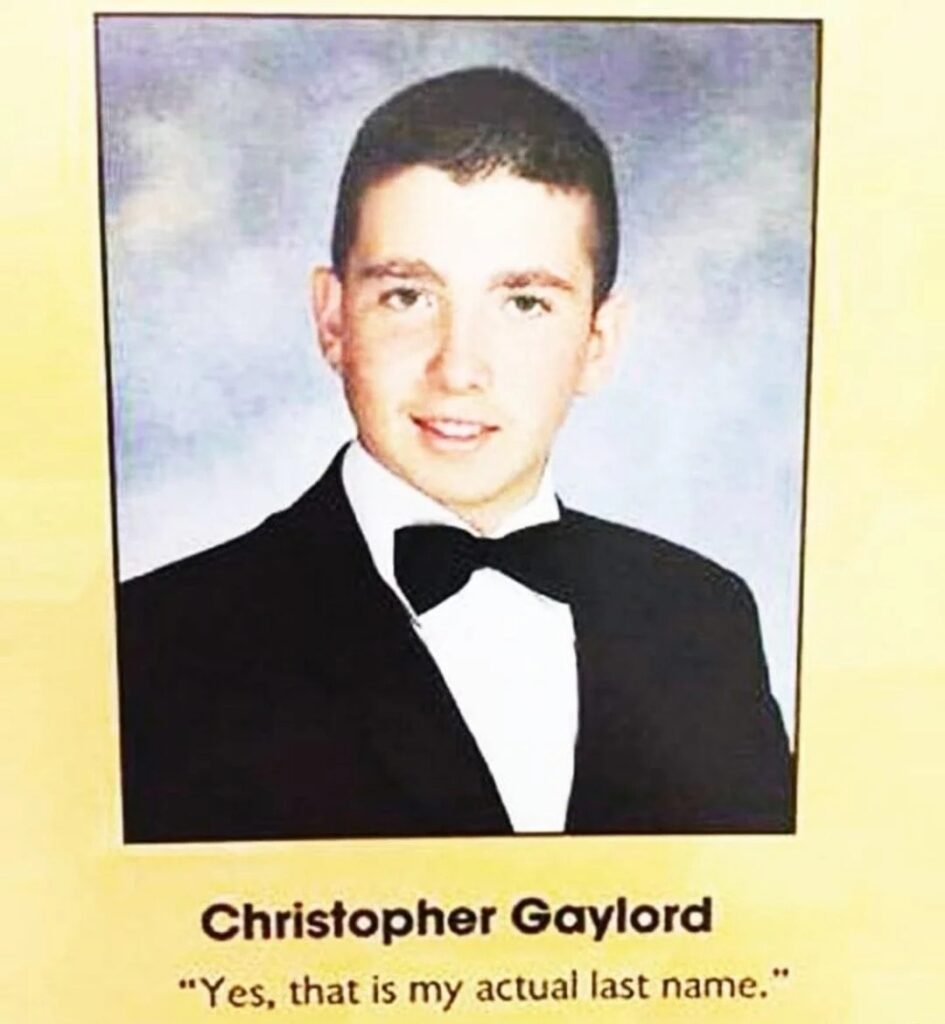
And yet Gaylord was real.
Not merely real, but once reasonably established as both a surname and a first name. The surname has English roots and became well established in early America. The first name was particularly recognizable in the late 19th and early 20th centuries.
Then history, as usual, decided to ruin everything.
As gay changed meaning, Gaylord gradually acquired an unintended comedic quality. The name also became increasingly old-fashioned, which didn’t help. A name that might have sounded dignified in 1910 eventually began sounding like something you’d find engraved on the mailbox of a retired dentist.
And then Hollywood arrived to finish the job.
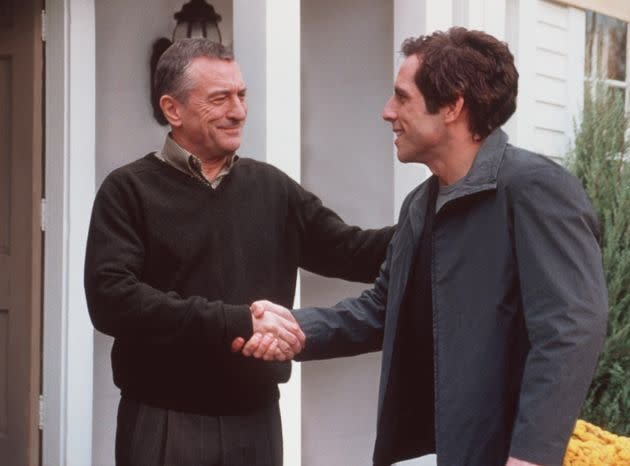
In the 2000 comedy Meet the Parents, Ben Stiller’s character is hilariously burdened with the magnificent legal name of Gaylord Focker. He goes by “Greg.”
“Greg” is normal. “Gaylord Focker” sounds like a man who has either inherited a suspiciously large estate or is about to be introduced as the villain in a Victorian melodrama. It doesn’t really help matters that Greg’s surname is a pun for someone engaged in sexytime; taken together, it sounds like Greg focks gaylords.
Greg has a career as a male nurse, one of those jobs (like florist, flight attendant, hair dresser, or Catholic priest) that is unfairly stereotyped as being dominated by gay men. The film exploits this, and Greg’s catastrophically unfortunate full name, for comedic effect in a brilliantly ironic way (remember the premise: he is there to meet his heterosexual girlfriend’s parents). Meet the Parents is one of my favorite comedic films of all time, starring Ben Stiller, son of Jerry Stiller who played Frank Costanza on Seinfeld, and the legendary Robert DeNiro. It was a huge success at the box office, and helped permanently cement Gaylord in the American psyche as a funny name.
Of course, there is a delightful bit of historical irony here too. One of the most famous real people named “Gaylord” was Gaylord Perry, who was a Major League Baseball pitcher and Hall of Famer. Born in 1938, Mr. Perry managed to go through life with the name Gaylord and be a masculine sports legend. Go figure!
And that, really, is the story of Gaylord.
It began as a name associated with joy, cheerfulness, and liveliness. It became a respectable surname and first name. It enjoyed a period of legitimate popularity. Then common usage changed the meaning of one of its syllables, society changed along with it, and an innocent medieval name somehow ended up sounding like a joke and being used as a homophobic slur.
No one planned this. No committee of medieval French linguists gathered around a table and said, “Henri, come here… write ziz down… zumm day, ziz name will be abb zow lew tlee hilariouzz. It will make young Matthew’zz life mizz air ree bull, but zeez cannot be helped… now, pazz me zat baguette and zlice me zomm Camembert.”
It simply happened.
Which is the most unfortunate thing of all. Because somewhere in history, a perfectly innocent parent looked lovingly at their newborn son and thought: “Gaylord… what a cheerful, distinguished name.” And several hundred years later, Ben Stiller was standing in a movie theater explaining why he would really rather be called Greg.
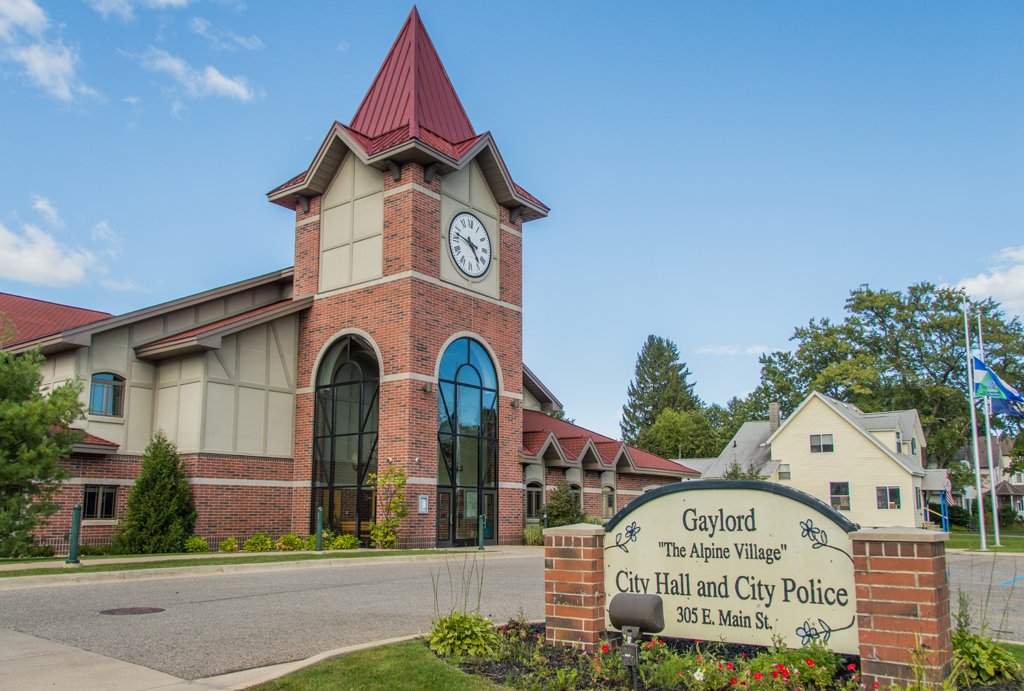
Oh, it’s also a city in Michigan.
