
I am, by nature, an introvert. I am not shy – nobody would accuse me of that! And I can hold my own at a party or in a crowded room. But when it comes right down to it, I’d rather be alone. And that, I am told, is the indicator. The test. Is ‘alone’ something to avoid at all costs? Do you need to be surrounded by people and noise? Does the thought of sitting quietly in your chair staring off into space and having a good long think scare the bejesus out of you? Then you’re probably not an introvert.
One of the things I’ve learned over the years is that “noise” is the default setting of life. From music on hold, or worse – sales pitches: “while you’re waiting, why not consider buying more of our stuff,” to the “filler conversations” you have to avoid the dreaded awkward silence – “it’s warm for this time of year” (or, if you’re straight and a man: “how about them [insert sports team name here]?” ). Think about it. Your meteorological insights and/or assessments of a group’s athleticism are not the point – saying something is.
This is particularly true, in close, somewhat intimate settings – in an elevator once the doors close, or a taxi/Uber, or even driving along with a friend. We’ve been socialized to be performative, always “on” and engaging. And silence can feel like failure. Literally. Studies have shown that when people agree with something we’ve said, our brains get a shot of positive reinforcement in the form of Dopamine, even if they’re just agreeing it’s hot out or [insert name of sports team here] are having a good season. So we rush to say something like junkies looking for a Dopamine fix. Notice how what we say in these situations is never controversial; we’re not inviting conversation, or even a debate. We don’t say, “the Pacific is a better ocean than the Atlantic” when the elevator doors close!
And it’s not just all the talk. I grew up in a suburb of Los Angeles – Glendale – which hosts the intersection of California’s two great highways: the 5, known in LA as the “Golden State Freeway,” and the 101, a.k.a. the “Ventura Freeway.” Both are major arteries through the greater-Los Angeles area – heavily traveled, always busy, prone to traffic jams. And the sound of all those wheels rolling along pavement creates a distinctive din, a humming I call the sound of the city. I’ve been away long enough that when I return I recognize it immediately. It makes me nostalgic, but I don’t miss it.
“How can you write a book about an utter lack of something?” is a question asked by George Michelsen Foy in his book that is part science, part memoir, and part anthropological study of the history of silence. He was standing on a subway platform in Manhattan when he took notice of the unrelenting din: the background noise of car horns and busses and helicopter blades all merged into one dull roar – what he calls the city’s “monster-breath.” This aural epiphany led him to become obsessed with silence and initiated a quest to find the world’s quietest spots: a French abbey of Cistercian monks who are silent for most of the day and night, a Buddhist meditation center, and a Minnesota lab with a room so unnervingly free of noise that most people can’t stand it for very long. I haven’t been to that lab, but I’ve had that experience. At Technicolor, we had a special room, known as Isabel Stage 1. Built to cancel out all ambient noise and used for the re-recording of dialog for films and television, it was actually a room inside a room with a specially designed floor, ceiling, and walls that effectively isolated it from the surrounding building, our Isabel Street facility in Burbank, known as The Castle (because it had a façade made of stone complete with faux towers and turrets) where my office was located for many years.
“The silence was deafening” is a clever way to say a lack of noise stood out, but for me the silence on Stage 1 was pressurized. Once closed inside, I always felt it more than I heard it. It pressed up against me, making it harder to move around or even fill my lungs with air. The closest I can get to describing it was it felt like being immersed in a pool of Jello.
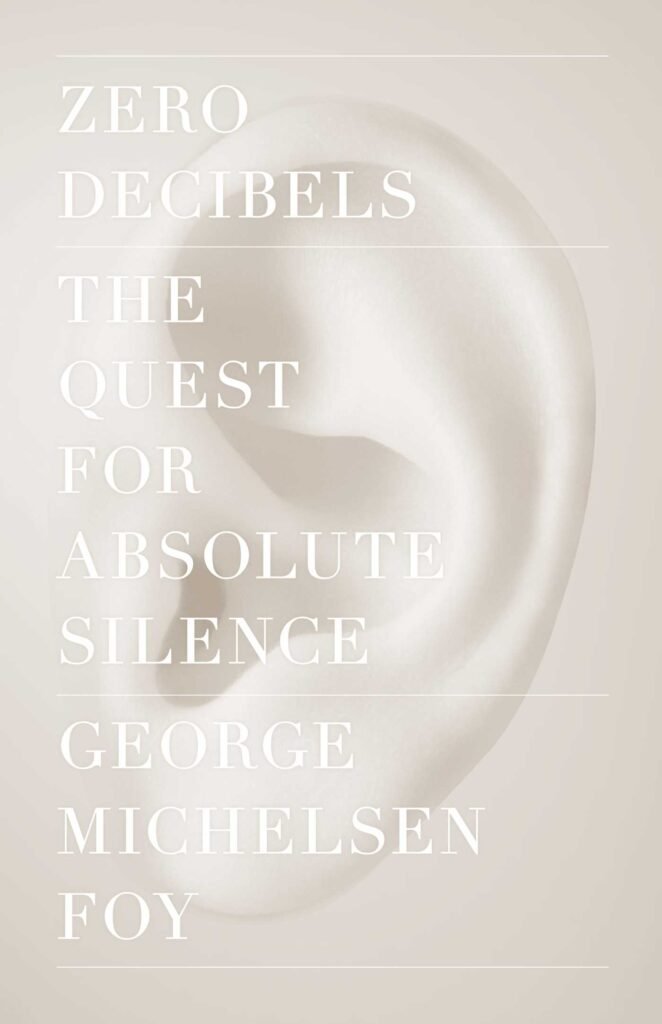
That, and Foy’s book – Zero Decibels: The Quest for Absolute Silence, made me realize how noisy life is, from small talk to the freeways intersecting my home town, and how much I love being alone, and quiet. A realization that is almost countercultural.
Taken to extremes, those of us who enjoy, or prefer, quiet time by ourselves are said to be “isolating;” we’re supposed to want to be with people, to join in, to contribute to the din of life. I mean, think about it: what is clapping but making noise, what is cheering but making noise? That’s even a phrase used by someone trying to drum up excitement during an introduction: “make some noise for…”..
Noise is life’s default setting.
Even William Shakespeare realized this four centuries ago when he wrote of life: “It is a tale told by an idiot, full of sound and fury, signifying nothing.”
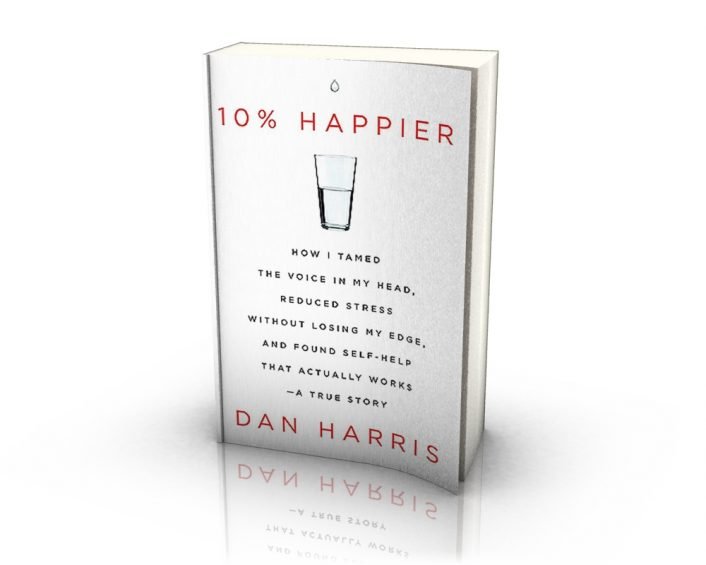
It is possible to go beyond life’s presets and seek out silence. For me, it’s not only possible, but necessary – and satisfying. Some people, myself included, achieve this through meditation, as Dan Harris encourages in his book 10% Happier.
I’ve heard others describe meditation as boring, a waste of time, and even painful. I am naturally disposed to it as an introvert. But I can see why it might “freak out” the extroverts, for whom silence and solitude go against their very nature. And I’m not here to convince you (or them) my way is better.
Just that life is noisy.
