
Daniel Kahneman was an Israeli-American psychologist and Nobel laureate. Along with Amos Tversky, Kahneman established a cognitive basis for common human errors that arise from heuristics and biases, and developed “prospect theory” (cited in the decision to award him the 2002 Nobel Prize in Economics).
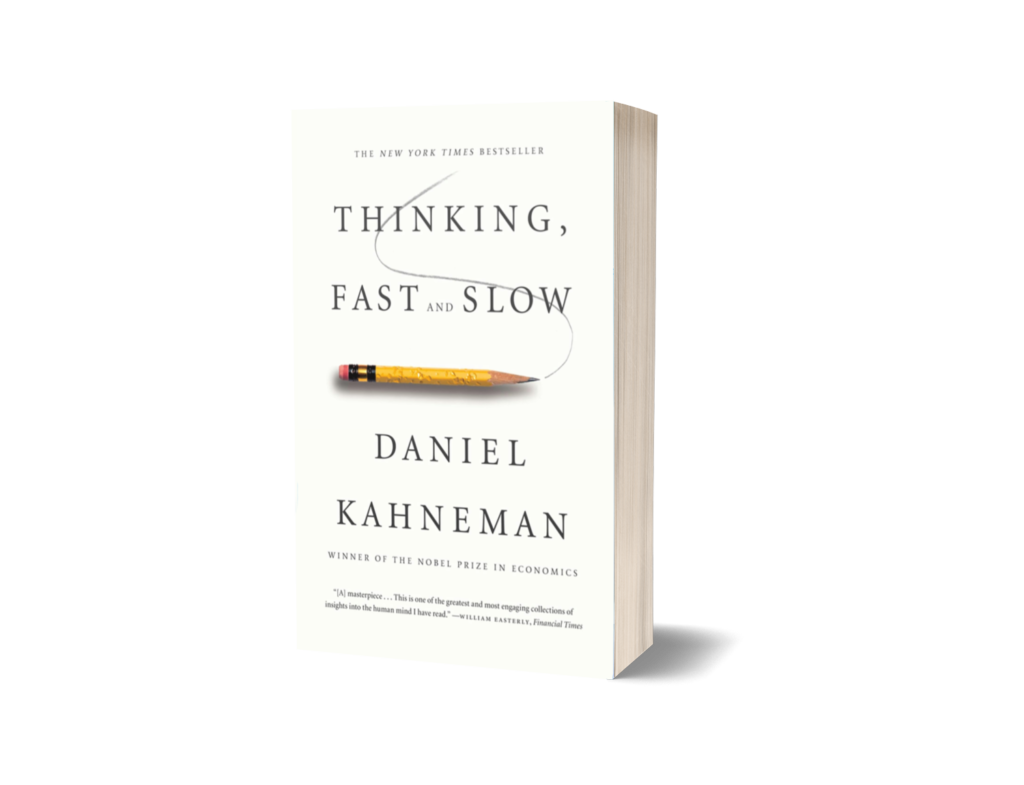
In his book Thinking, Fast and Slow he explores what shapes human judgment; one of his most profound insights is the distinction he makes between what he calls our experiencing self and the remembering self.
This idea challenges the common assumption that happiness and satisfaction are determined by the sum of our lived experiences. Instead, Kahneman argues that the self who lives through an event and the self who later recalls it often evaluate the same experience very differently – which has important implications for how we live our lives because it reveals that our choices are often guided not by what actually made us happy, but by what we remember about being happy.
The experiencing self is the version of ourselves that exists in the present moment. It perceives pleasure, pain, boredom, excitement, and every other sensation as they occur. If someone asks, “How do you feel right now?” they are asking the experiencing self. This self lives continuously through every second of our lives, yet it leaves little trace in our conscious decision-making. Most of the countless moments that make up daily life disappear almost immediately, forgotten within hours or days.

In contrast, the remembering self constructs the stories we tell ourselves about our lives. It is responsible for answering questions like, “How was your vacation?” or “Was college the best time of your life?” Rather than replaying every moment, the remembering self compresses long experiences into concise narratives. It selects a few significant moments – typically emotional highs, emotional lows, and endings – and uses them to represent the whole experience. These memories then become the basis for future decisions.
Kahneman illustrates this distinction with a famous example from medicine involving patients undergoing colonoscopies. Researchers asked patients to continuously rate their discomfort during the procedure. Some patients experienced shorter procedures with more intense pain, while others endured longer procedures that ended with a period of milder discomfort. Logically, one might assume that the shorter, less painful experience would be remembered more favorably, but patients judged the procedures that ended more gently as less unpleasant, despite the fact they experienced more total pain overall. This finding demonstrates what Kahneman calls the “peak-end rule” – our memories are dominated by the most intense moment and by the ending rather than by the total duration of the experience.
Closely related is what Kahneman describes as “duration neglect.” When remembering experiences, people often ignore how long they lasted. A vacation that includes one extraordinary day may be remembered as wonderful even if most of the trip was frustrating. Likewise, a two-hour concert ruined by a disappointing finale may be remembered less fondly than a shorter concert that ended triumphantly. The remembering self pays remarkably little attention to duration and instead emphasizes narrative structure.
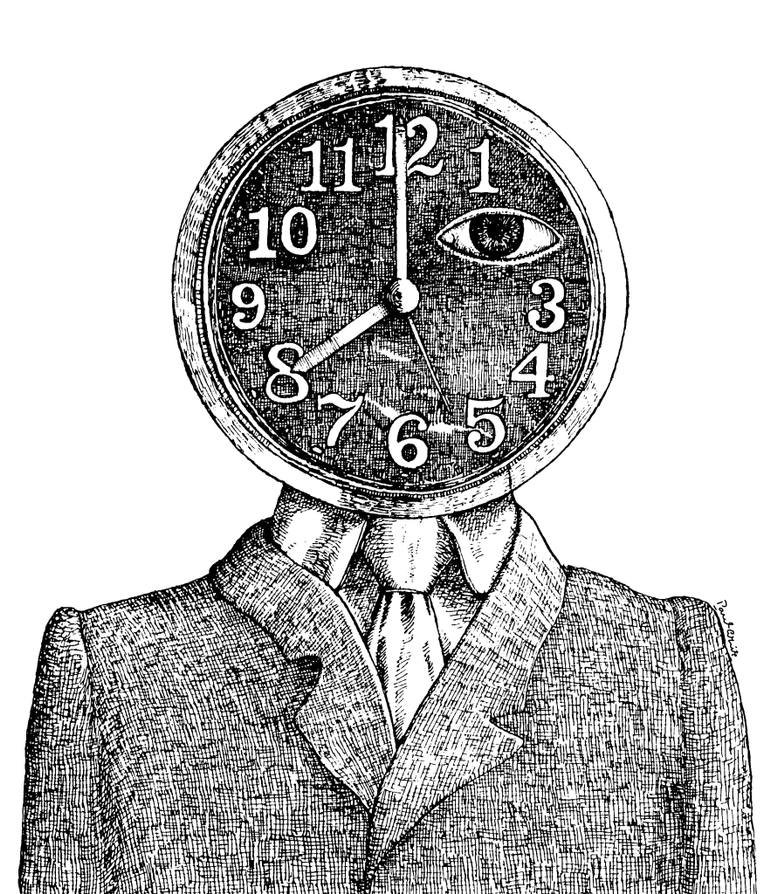
This insight creates a philosophical conundrum. If the experiencing self is the one that actually feels pleasure and pain, why does the remembering self dominate our decisions? Kahneman argues that memory effectively has the final vote because future choices depend on remembered experiences rather than lived ones. When deciding whether to revisit a destination, repeat an activity, or recommend a restaurant, we consult memory instead of replaying every moment of the original experience. In this sense, the remembering self acts as the decision-maker even though it often misrepresents what the experiencing self actually endured.
The implications extend beyond personal happiness into economics. Traditional economic theory assumes that people maximize utility – the satisfaction they receive from consumption or experiences. Kahneman argues that economists have often failed to distinguish between “experienced utility,” which refers to actual moment-to-moment pleasure or pain, and “remembered utility,” which reflects retrospective evaluations. Because remembered utility often guides decisions, individuals may repeatedly choose experiences that produce memorable highlights rather than sustained well-being. This disconnect helps explain why people sometimes make choices that seem irrational from the perspective of maximizing actual happiness.
The distinction also raises important questions about how society measures well-being. Governments and researchers frequently rely on surveys asking people how satisfied they are with their lives. These surveys primarily capture the judgments of the remembering self rather than the experiences of daily life. Kahneman has argued that measuring moment-by-moment emotional states through techniques such as experience sampling may provide a more accurate picture of genuine well-being. Public policy focused exclusively on life satisfaction may overlook factors that substantially improve people’s daily experiences.
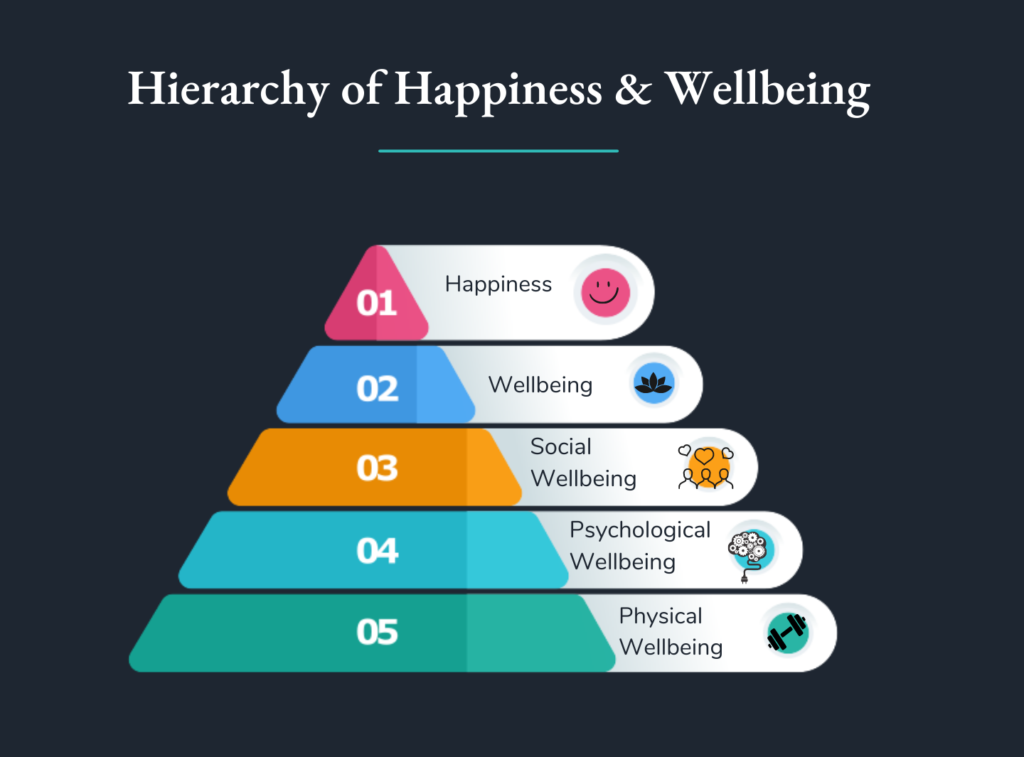
On a personal level, Kahneman’s ideas encourage individuals to reconsider how they pursue happiness. Many people spend considerable time creating memorable experiences – exotic vacations, milestone celebrations, or impressive achievements – because these enrich the stories they tell about their lives. Yet lasting happiness may depend more on improving ordinary daily experiences: enjoyable work, meaningful relationships, manageable stress, and frequent moments of contentment. The experiencing self benefits from countless small pleasures that may never become memorable, while the remembering self often chases dramatic peaks that occupy only a tiny fraction of life.
This tension can create difficult trade-offs. Imagine choosing between a stable career that provides daily satisfaction and a prestigious career marked by intense stress but occasional extraordinary achievements. The experiencing self might prefer the calmer, happier daily routine, while the remembering self may favor the more impressive narrative. Kahneman does not argue that one perspective is objectively superior. Instead, he emphasizes that understanding the distinction allows individuals to make more informed choices about what they truly value.

Critics have noted that the relationship between the experiencing and remembering selves is more complex than Kahneman sometimes suggests.
Memory is not always inaccurate; in many cases, retrospective evaluations capture meaningful aspects of life that momentary feelings cannot. Human identity depends heavily on narrative, and memories help create continuity across time.
Nevertheless, Kahneman’s framework remains influential because it reveals systematic biases in how experiences are encoded and recalled, biases that have been replicated across many studies. He challenges conventional ideas about happiness, rationality, and decision-making and demonstrates that the life we remember is not always the life we actually lived, and that our future choices are often shaped more by stories than by experiences. By recognizing the difference between these two selves, we gain a deeper understanding of why we sometimes pursue goals that fail to increase our day-to-day happiness and why endings and memorable moments exert such powerful influence over our judgments.

Kahneman’s insight invites us to balance the needs of both selves: to create lives that are not only worth remembering but also worth experiencing, moment by moment.
