
We live in a culture that is far too quick to discard that which is broken. I think that comes from cheap goods readily available. Growing up, we lived across the street from Mr. And Mrs. Marcus who owned a repair shop called Marcus Electric. A repair shop was a place you took broken household items to get fixed – so if your vacuum cleaner gave out, you’d drop it off and in two weeks get it back working “good as new.”
But these days, it’s often easier (and sometimes less expensive) just to discard the broken item and replace it with a new one. I suppose that’s a kind of progress. Where this becomes problematic is when we start treating people or relationships (or ourselves) the same way. We inadvertently hide brokenness, flaws, and imperfection by replacing the item, or the person.

I am not one to turn to the East as if they hold some kind of corner on the market of good ideas, particularly regarding life and how to live in this world, but, that said, it is an Eastern, specifically Japanese, philosophy and art form that serves as an antidote to the consumerist, throw-away-and-replace mindset so prevalent in the West. It is called Kintsugi.

Ever broken a bowl? We tend to reach for the dustpan immediately, quickly sweeping up the broken ceramic shards and dumping them into the trash bin. Then we get another bowl. Any history we had with the original bowl is discarded like its broken bits. And we do this without a second thought. Sadly, we often treat people and even ourselves like bowls.
The Japanese art of Kintsugi is far more than a method of repairing broken pottery. It is a philosophy that embraces imperfection, resilience, and transformation.
It originated in Japan during the 15th century. Kintsugi – which literally means “golden joinery” – involves repairing cracked ceramics with lacquer dusted or mixed with powdered gold, silver, or platinum. Instead of hiding damage, the pieces are put back together and the cracks are highlighted, turning broken objects into unique works of art. Through its symbolism and practice, Kintsugi offers profound lessons about beauty, healing, and the human experience.
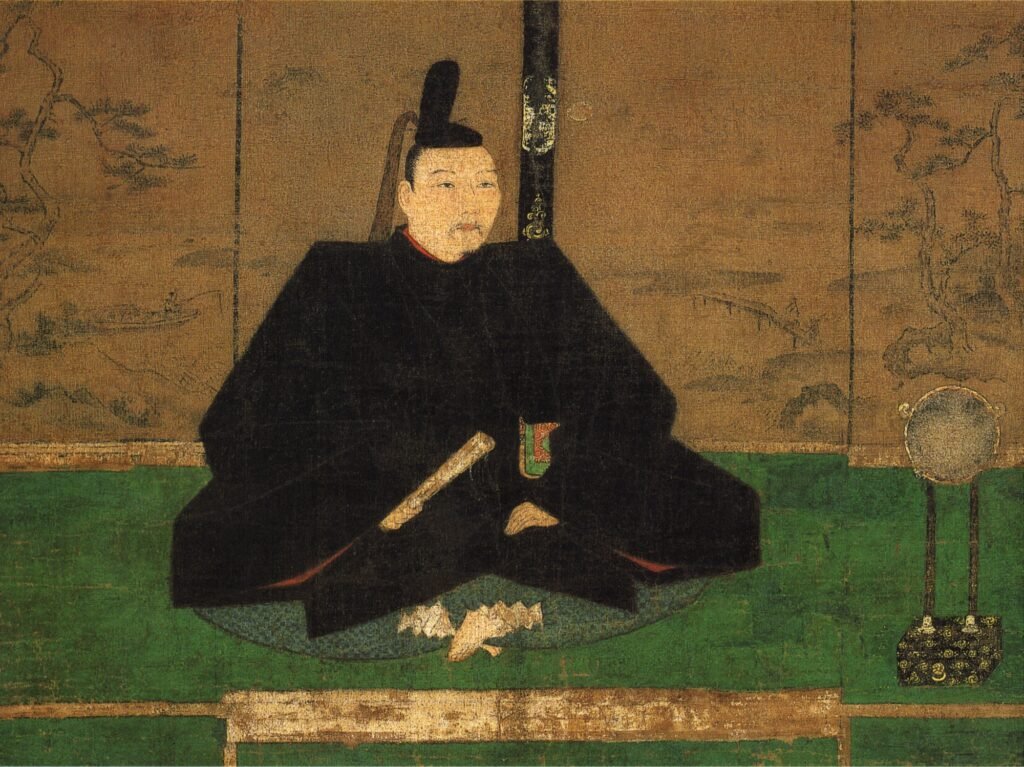
The history of Kintsugi is often connected to the Japanese shogun Ashikaga Yoshimasa (above), who it is said sent a damaged tea bowl to China for repairs. When the bowl was returned fastened with unattractive metal staples, Japanese craftsmen sought a more aesthetically pleasing method of restoration. Their solution was to use lacquer and gold to mend the pottery, creating a technique that transformed flaws into decorative features. Over time, this practice became closely linked with Japanese tea ceremonies and the cultural values of simplicity and mindfulness.
At the heart of Kintsugi lies the Japanese philosophy of wabi-sabi, which values simplicity above all else, but incorporates imperfection, impermanence, and authenticity. It’s as much an aesthetic as a philosophy.
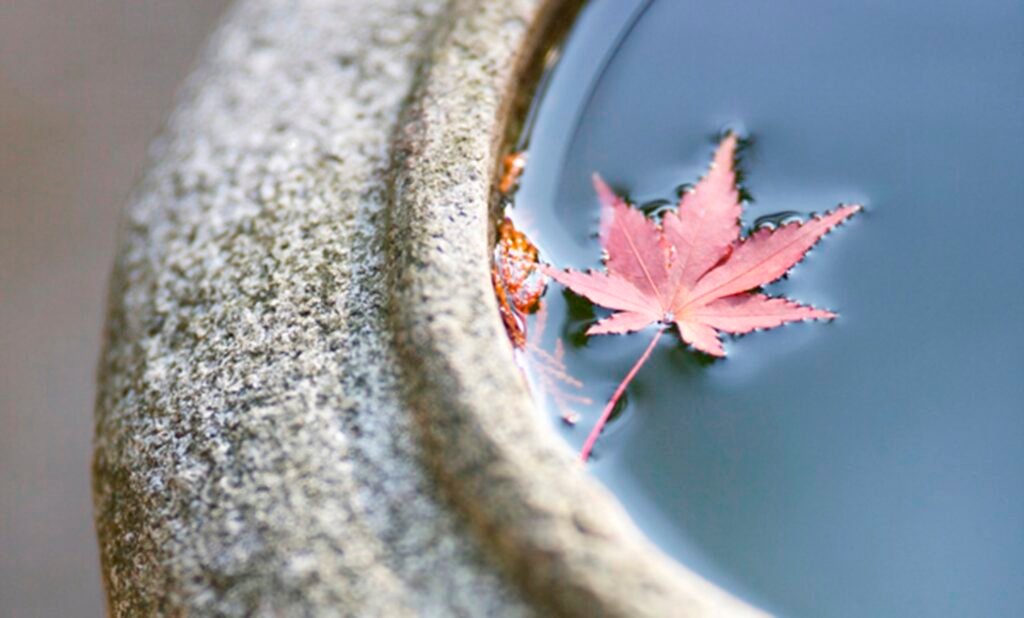
In many societies, broken objects are discarded because damage is seen as failure or weakness. Kintsugi challenges this idea by suggesting that scars and imperfections are part of an object’s history and should be appreciated rather than concealed. A repaired bowl becomes more valuable because of its journey, not despite it. The shimmering golden lines running through the pottery symbolize survival and renewal, giving the object a second life richer than before.
Beyond pottery, Kintsugi has become a powerful metaphor for human resilience. Just as shattered ceramics can be repaired and transformed, people can heal from emotional pain, hardship, and personal struggles. Difficult experiences often leave marks, but those marks can become symbols of strength rather than shame. Kintsugi teaches that healing does not require erasing the past. Instead, growth comes from accepting wounds and recognizing how they shape identity and character in the present. This perspective encourages self-acceptance and compassion in our world that pressures people to appear flawless.
Kintsugi also reflects broader appreciation of mindfulness and sustainability. Rather than throwing away damaged objects, the practice emphasizes restoration and care. In our culture today, where consumerism encourages constant replacement, Kintsugi offers an alternative mindset centered on preservation and respect for the past. It reminds people that broken things – whether objects or people – can still hold meaning and beauty. And value.
The revolutionary implications are profound. We are bombarded by social media influencers and advertising that the only things worth having are new and the only people of worth are shiny and happy and without blemish. Kintsugi flips that script and teaches us there is value in something old and worn, there is a story in that chipped cup, and there is a different kind of beauty to be seen in something or someone’s resilience, perhaps a more authentic one.
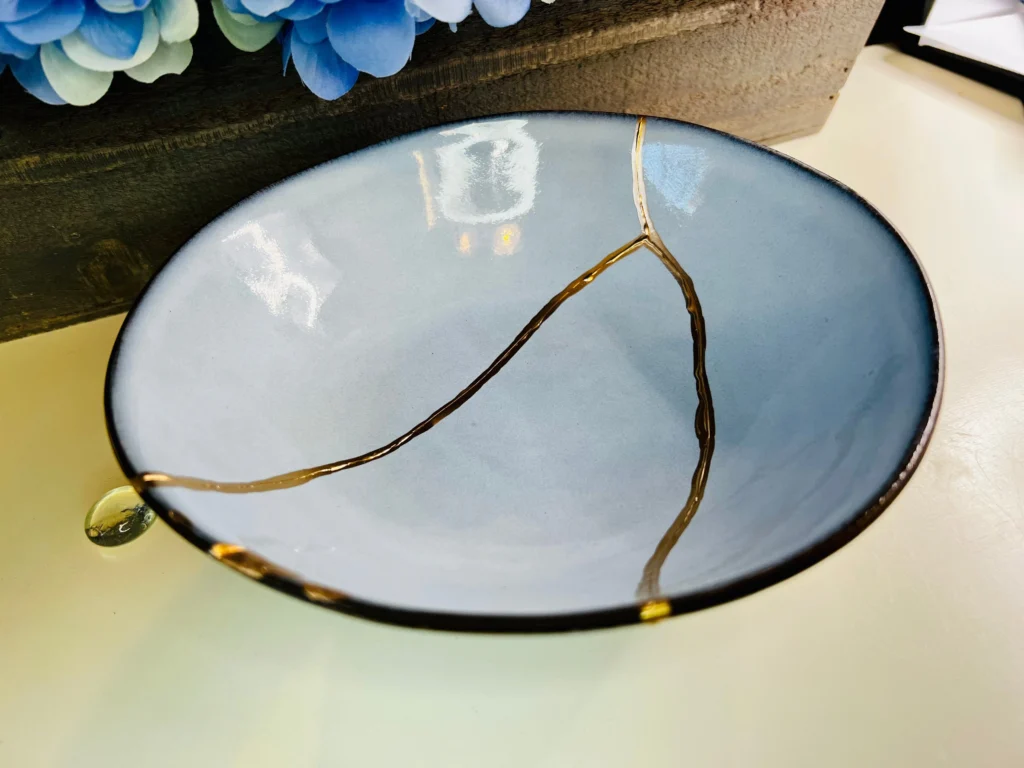
By transforming broken pottery into something even more valuable, Kintsugi symbolizes the possibility of growth through adversity. Its enduring message is both simple and profound: imperfections do not diminish worth; they tell a story of survival, healing, and transformation.
