
Let’s have some fun, shall we? Let’s forget, if only for a moment, that we have a president who is actively angling to be awarded the Nobel Peace Prize while simultaneously overthrowing the leader of one country, threatening military intervention against the hostile and notoriously anti-American regime of another, openly (and quite seriously) floating the idea of a takeover of a third, and unleashing masked, armed thugs onto the streets of our own country creating a Gestapo-esque internal nationwide police force with deadly consequences for civilians.
Instead, let’s answer this question: when is a berry not a berry? The answer may surprise you. This is one of those quietly mind-blowing facts, like tomatoes actually being fruit.
Botanically speaking, a strawberry is not a berry.
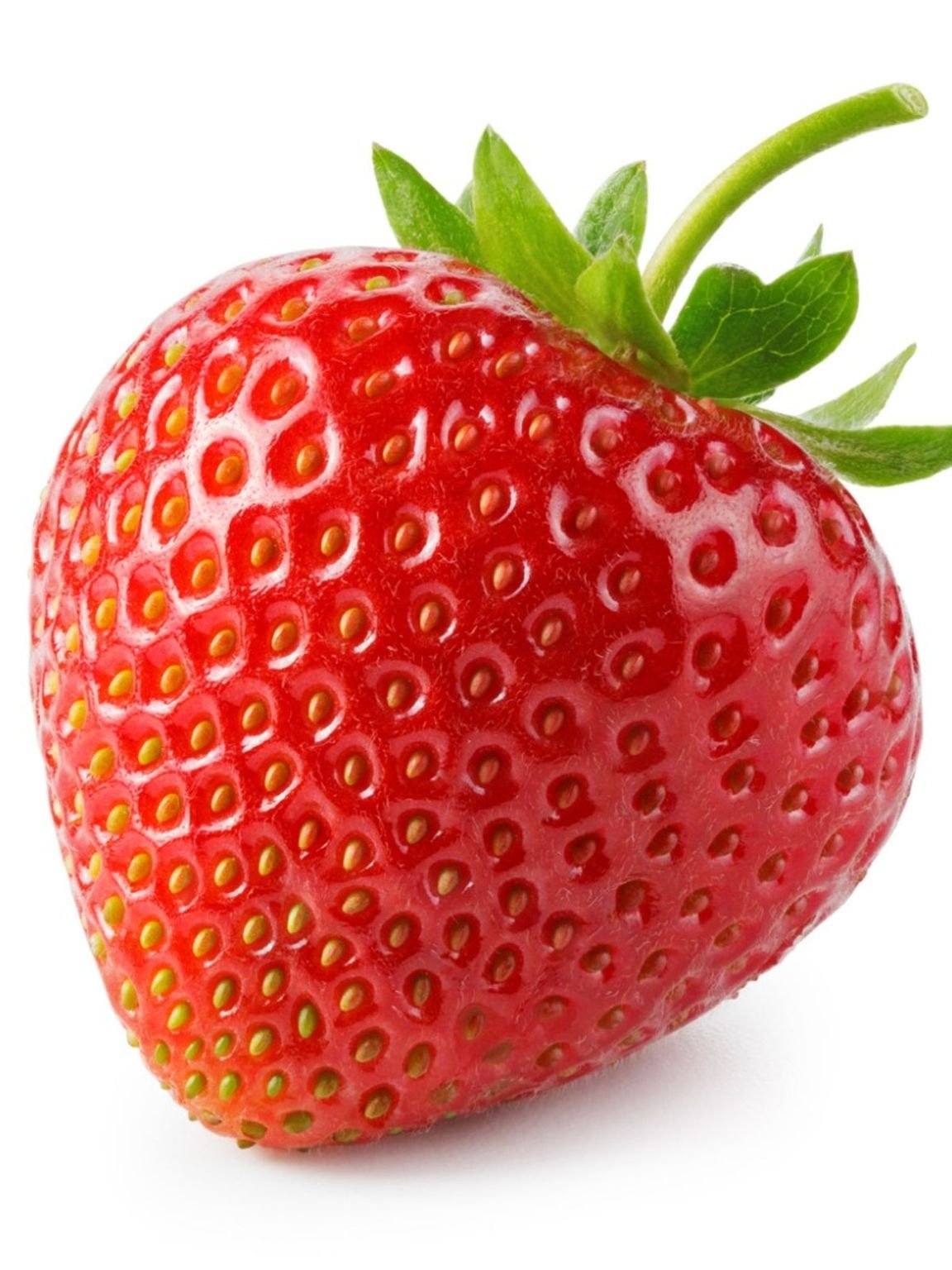
What, huh? It’s right there in the name…
straw b-e-r-r-y
Anyone can see that. Well, you know how science is always ruining our day with facts? In botany, the branch of natural science and biology that studies plants, especially their anatomy, taxonomy, and ecology, a berry has to develop from one flower with one ovary and have seeds inside the flesh. By that definition, strawberries fail both tests:
- The little “seeds” on the outside are actually achenes (each one is its own tiny fruit)
- The red, juicy part is just swollen flower tissue, not the ovary
So strawberries are classified as an aggregate accessory fruit. I know, fancy, right? But try to wrap your head around this: since bananas grow from a single flower with one ovary, and since seeds (in wild bananas) are inside, bananas are officially berries!
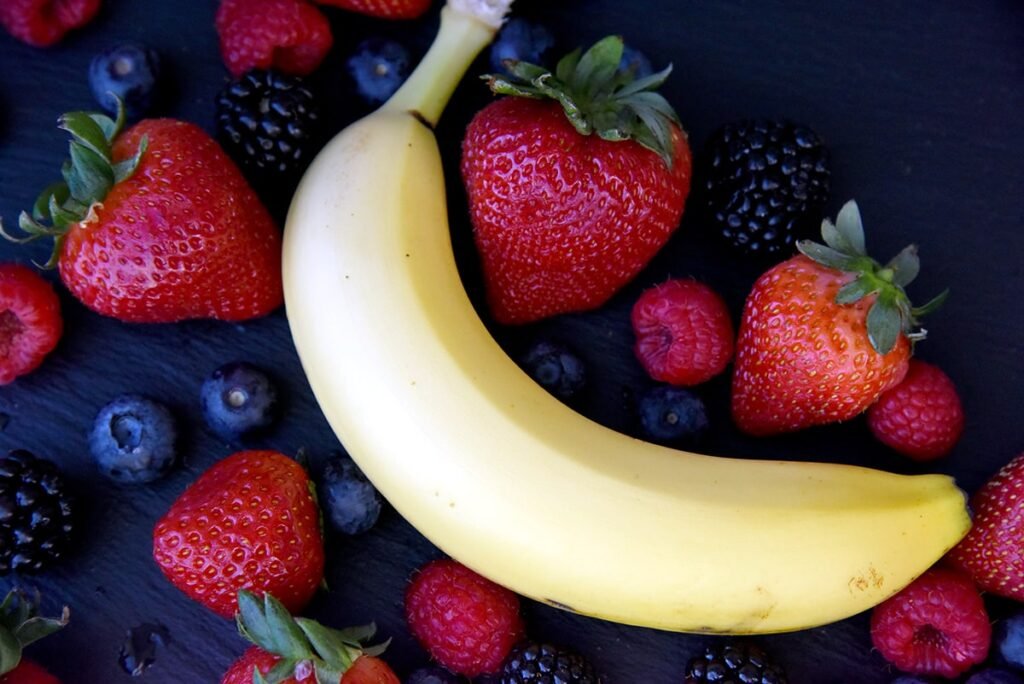
It gets weirder! First, let’s review: banana, tomato, eggplant, blueberry, kiwi, chili pepper – all berries; not berries (even though everyone thinks they are and its right there in the name): strawberry, raspberry, blackberry – these are aggregate fruits where each little bump is its own mini fruit.
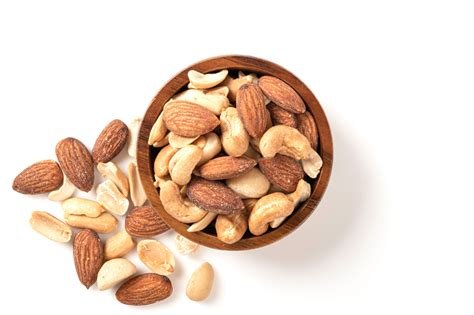
Add nuts into the mix, and we have the impostors: a peanut is not a nut – it’s actually a legume (same family as beans and lentils); an almond is not a nut either – it’s a drupe (like a peach); and cashews (one of my favorites)… also a drupe!
But wait. There’s more. Oranges, lemons, limes, and grapefruits are a special kind of berry called a hesperidium. Watermelon is a specific kind of berry called a pepo (hard rind, soft inside), as are cucumbers and pumpkins.
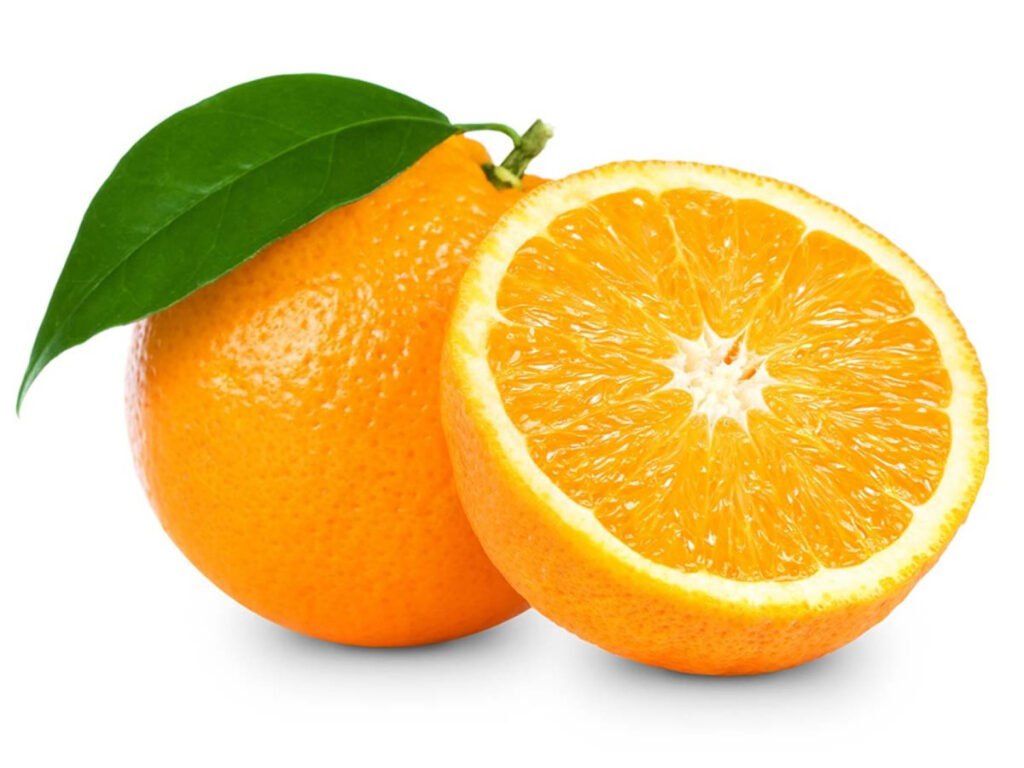
So yes. Even oranges are berries. And no. This will never feel normal. Botany is not interested in flavor, sweetness, or whether something is associated with dessert; it only cares about flowers, ovaries, and seeds. So strawberries lost the berry title on a technicality, and bananas quietly stole it. And, while we’re talking about technicalities, did you know that bananas are radioactive?

Because bananas are full of potassium, and a tiny fraction of that potassium is a naturally radioactive isotope called potassium-40, every banana emits a teeny, harmless amount of radiation. It’s so safe that scientists have jokingly referred to a safe, minuscule exposure to radiation as a “banana equivalent dose.” Still, food that sets off a Geiger counter is objectively worrying, though I am reliably informed eating a banana gives you way less radiation than, like, existing on Earth for a day.
Now no one goes away empty-handed from The TaxPoodle. So here’s some fun food facts you can deploy at your next dinner party:
- Honey never spoils. Archaeologists have eaten 3,000-year-old honey from Egyptian tombs. It’s basically edible amber.
- Nutmeg is a hallucinogen at high doses, and also toxic. Your pumpkin pie is holding back.
- Apples float because they’re about 25% air; basically they are crunchy balloons.
- Cheese is the most stolen food in the world. Not gold. Not art. Cheese.
(this one’s my favorite) - Carrots were originally purple. Orange carrots were selectively bred as propaganda for Dutch royalty.
- Chili peppers don’t “burn” your tongue. Capsaicin just hijacks pain receptors and lies to your brain.
- Ketchup used to be sold as medicine in the 1800s. I’ve been trying to get my doctor to prescribe McDonald’s fries for me.
- Pineapple eats you back. It contains the enzyme bromelain which digests proteins, including inside your mouth.
To finish on a more whimsical note, bubbles remind us that science isn’t always serious – it can also be playful. A bubble is a thin film of soapy water trapping air, forming a near-perfect sphere thanks to surface tension. Tiny variations in thickness create the rainbow colors we see, caused by light-wave interference. Bubbles float, shimmer, and pop, inspiring delight in everyone. They demonstrate physics, chemistry, and art in a single, ephemeral moment, and even inspire engineering in microreactors and medical delivery systems. Just like our berries and not-berries, bubbles are simple in appearance but astonishingly complex, a reminder that science and joy can coexist in everyday life. Every floating sphere is a brief, colorful celebration of physics, chemistry, and human wonder.
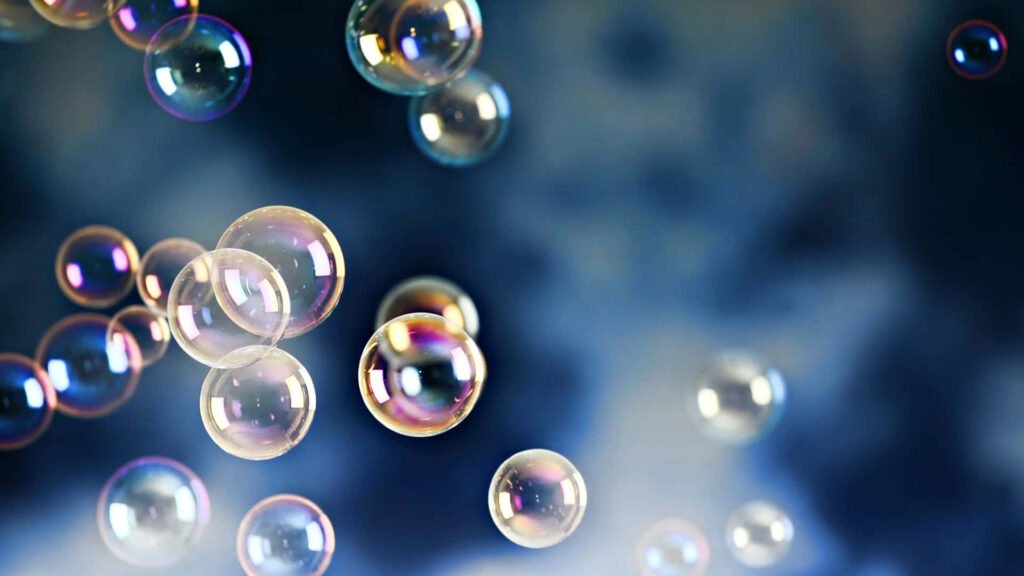
From the surprisingly convoluted biology of our favorite foods to the fleeting magic of bubbles, science is everywhere – even in what we eat and play with. Understanding the hidden complexity behind ordinary experiences transforms everyday life into a frontier of curiosity, delight, and awe.
